English
 Español
The best adult raincoat for most people is a waterproof hardshell or a 3-in-1 jacket with a waterproof rating of at least 10,000mm HH and a breathability rating of 10,000 g/m²/24h. That combination keeps rain out during sustained downpours while venting enough body heat to stay comfortable — whether you are commuting, hiking, or caught in an unexpected storm.
That said, the right adult raincoat depends on how and where you wear it. A ultralight packable shell for travel is very different from a heavy-duty waterproof coat for construction work or a stylish trench for urban commuting. This guide covers every major type, the key specs that actually matter, and how to choose and care for the one that fits your life.
Content
- 1 Types of Adult Raincoats and What Each Is Best For
- 2 Key Waterproofing Specs Explained
- 3 Adult Raincoat Comparison by Use Case
- 4 What to Look for When Buying an Adult Raincoat
- 5 Adult Raincoat Sizing: How to Get the Right Fit
- 6 How to Care for an Adult Raincoat to Maximize Its Lifespan
- 7 Frequently Asked Questions About Adult Raincoats
Types of Adult Raincoats and What Each Is Best For
Adult raincoats are not a single category — they span a wide range of styles, constructions, and intended uses. Understanding the main types prevents you from buying a trail-ready hardshell when what you actually need is a packable travel layer, or vice versa.
Hardshell Raincoats
Hardshells are purpose-built for serious weather. They use bonded waterproof-breathable membranes laminated directly to the outer fabric. Waterproof ratings typically start at 20,000mm HH and go above 30,000mm on premium models. They are the go-to for hiking, mountaineering, skiing, and any sustained outdoor activity in heavy rain or wind.
Softshell Raincoats
Softshells prioritize stretch and breathability over maximum waterproofing. They are treated with a DWR (durable water repellent) coating that sheds light rain and drizzle but will soak through in sustained downpours. Best for high-output activities in light precipitation where breathability matters more than total waterproofing.
Packable and Ultralight Rain Jackets
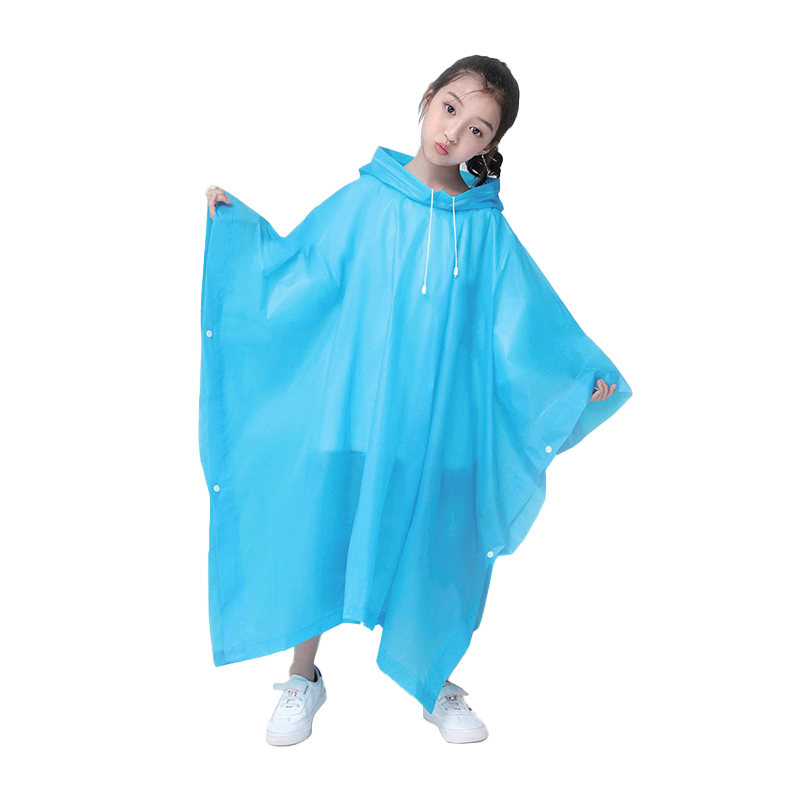
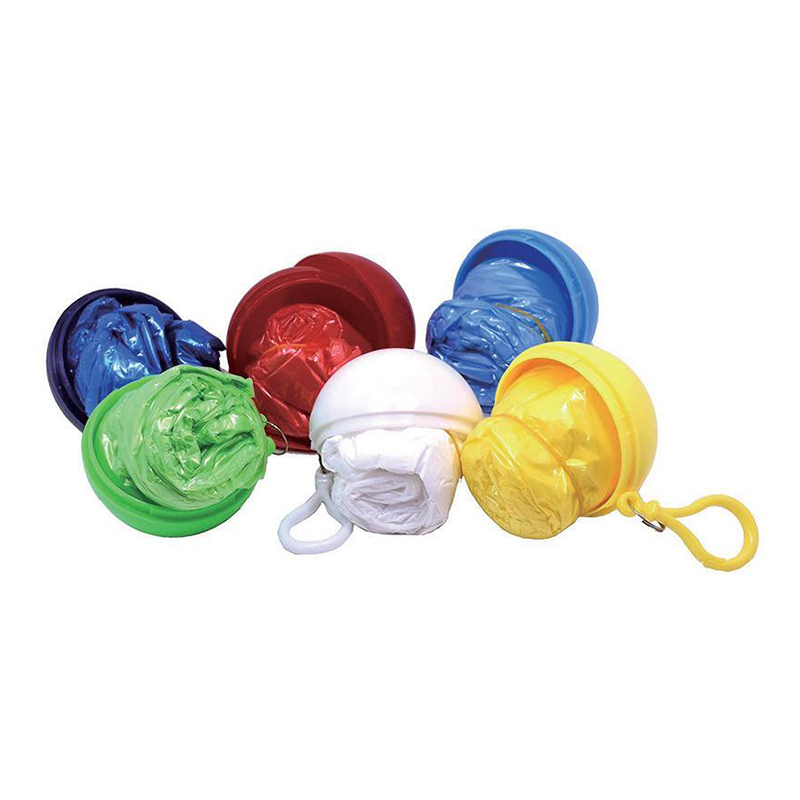
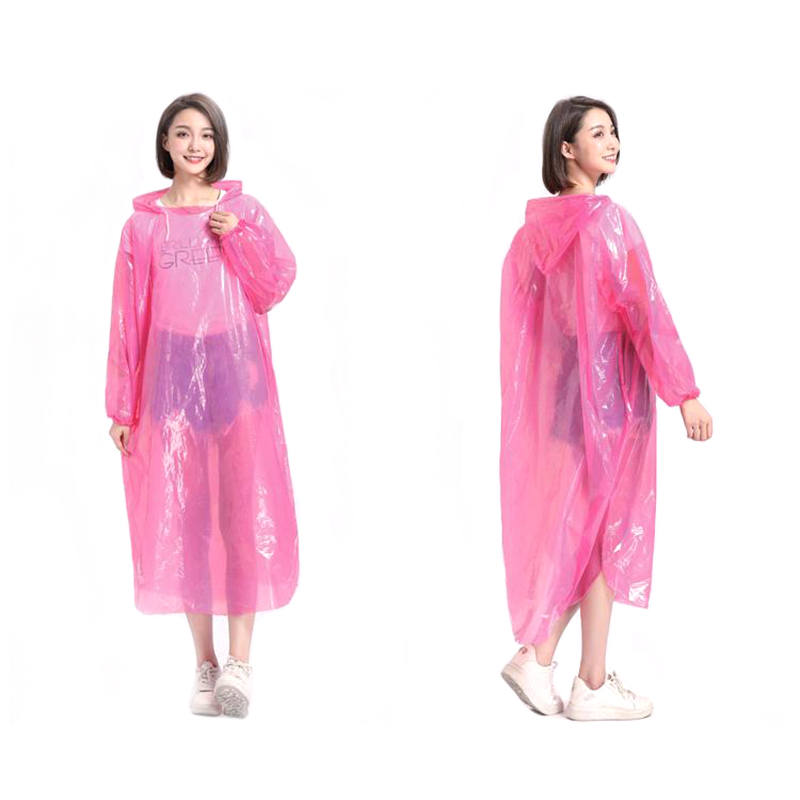
Designed to stuff into their own chest pocket, packable rain jackets weigh as little as 100–200 grams and compress to the size of a softball. They sacrifice some breathability and durability for portability. Ideal for travel, day hiking, and everyday carry as an emergency layer.
3-in-1 Raincoats
A 3-in-1 jacket combines a waterproof outer shell with a removable inner insulating layer (fleece or synthetic fill). You get three configurations: outer shell alone, inner layer alone, or both zipped together for cold wet days. These are the most versatile adult raincoats for variable climates and four-season use.
Rain Trench Coats and Urban Raincoats
Urban adult raincoats prioritize appearance alongside function. Modern waterproof trench coats use bonded fabrics or laminated membranes hidden beneath tailored exteriors. They cover more of the body — typically mid-thigh to knee length — making them practical for commuters who step out of offices into rain.
Waterproof Work Jackets and High-Visibility Raincoats
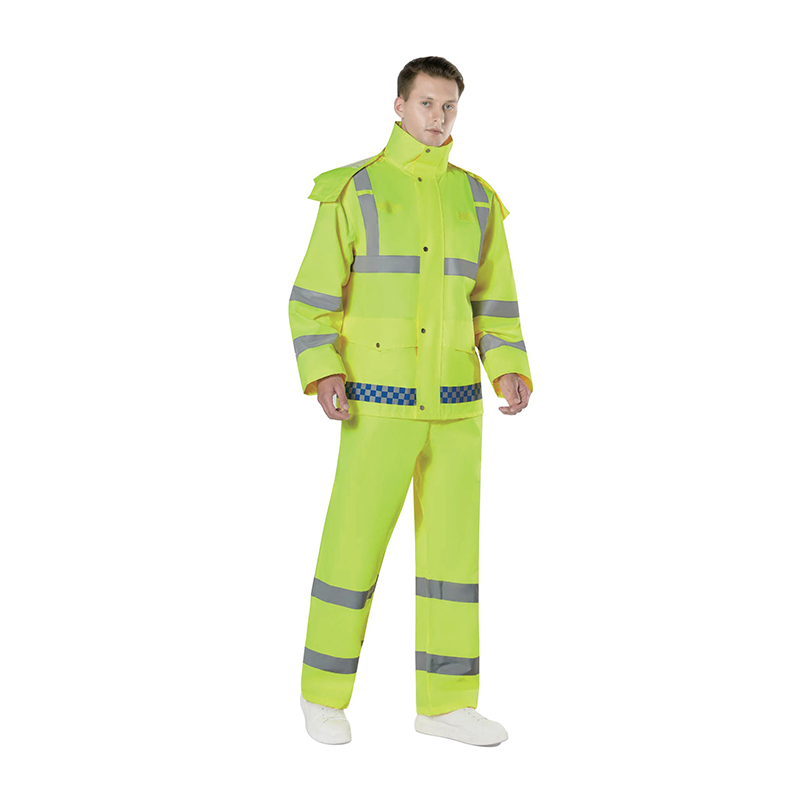
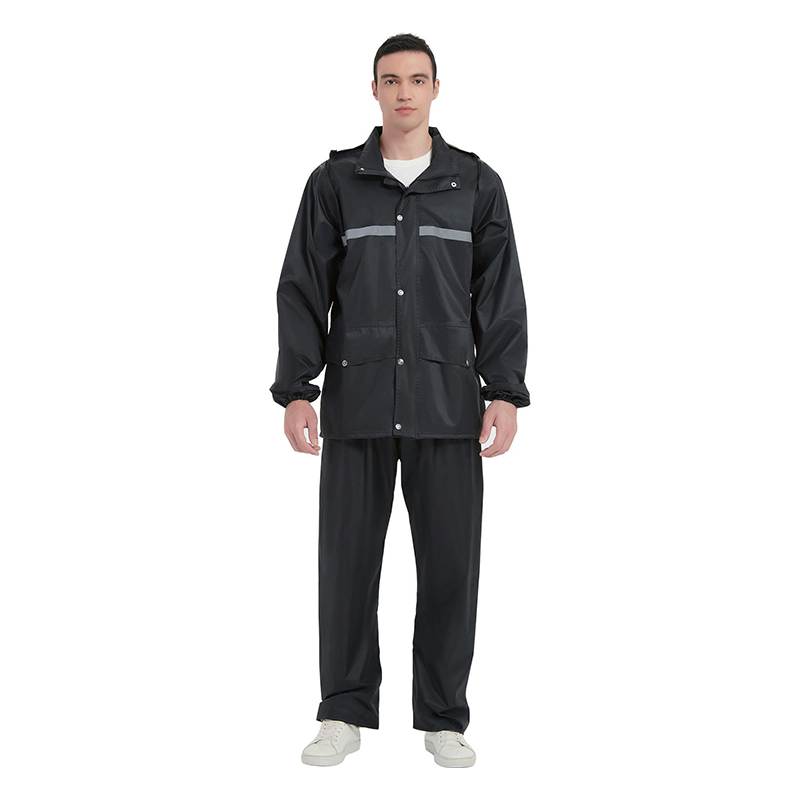
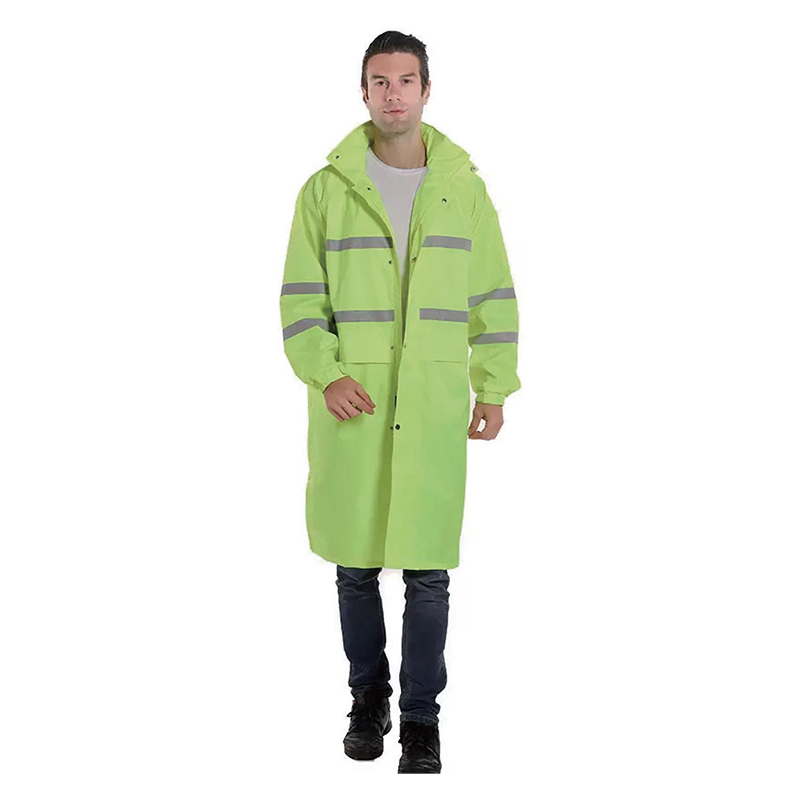
For adults working outdoors in rain — construction, landscaping, road work — purpose-built work raincoats offer reinforced seams, hi-vis panels, and heavier-duty waterproof fabrics rated for all-day exposure. Many meet ANSI/ISEA 107 high-visibility standards.
Key Waterproofing Specs Explained
Raincoat labels are full of numbers and acronyms that are easy to ignore — but two metrics directly determine how a coat performs in real rain.
Waterproof Rating (Hydrostatic Head)
Measured in millimeters (mm HH), this number indicates how much water pressure a fabric can withstand before leaking. The test holds a column of water above the fabric and measures at what height leakage begins.
- 1,500–5,000mm — light rain and brief showers; adequate for low-intensity use
- 5,000–10,000mm — moderate rain; suitable for everyday commuting and casual outdoor activities
- 10,000–20,000mm — heavy rain; recommended for hiking, cycling, and sustained outdoor exposure
- 20,000mm+ — storm-level conditions; for mountaineering, backcountry, and professional outdoor use
Breathability Rating (MVTR)
Moisture Vapor Transmission Rate measures how much water vapor (sweat) can escape through the fabric in 24 hours, expressed in grams per square meter (g/m²/24h).
- Under 5,000 g/m²/24h — low breathability; you will feel clammy during physical activity
- 5,000–10,000 g/m²/24h — moderate; acceptable for light activity and commuting
- 10,000–20,000 g/m²/24h — good; suitable for hiking and active use
- 20,000+ g/m²/24h — excellent; premium performance for high-output activities
For most adults, a balanced target of 10,000mm / 10,000 g offers real-world protection without the premium price of expedition-grade gear.
Adult Raincoat Comparison by Use Case
The table below matches the most common adult use cases to the recommended raincoat type and minimum specs:
| Use Case | Best Type | Min. Waterproof | Min. Breathability | Key Feature |
|---|---|---|---|---|
| Daily commuting | Urban trench / packable shell | 5,000mm | 5,000 g | Style, packability |
| Day hiking | Packable hardshell | 10,000mm | 10,000 g | Lightweight, packable |
| Backpacking / trekking | Hardshell | 20,000mm | 15,000 g | Taped seams, pit zips |
| Cold-weather travel | 3-in-1 | 10,000mm | 10,000 g | Removable inner layer |
| Cycling | Cycling-specific shell | 10,000mm | 15,000 g | Long back, vented chest |
| Outdoor work | Waterproof work jacket | 10,000mm | 5,000 g | Reinforced, hi-vis option |
| Travel / backpacking light | Ultralight packable | 5,000mm | 5,000 g | Under 200g, stuffs small |
What to Look for When Buying an Adult Raincoat
Beyond waterproof and breathability ratings, several construction and fit details separate a genuinely weather-proof coat from one that merely looks the part.
Seam Construction
Seams are the weakest point in any raincoat — needle holes in the fabric allow water ingress regardless of how waterproof the fabric itself is. Look for:
- Fully taped seams — waterproof tape covers every seam inside the jacket; the best option for heavy rain
- Critically taped seams — only the shoulder and other high-stress seams are taped; adequate for moderate rain
- Untaped / no mention — water will eventually seep through seams in sustained rain; only suitable for light showers
Hood Design
A good hood makes a significant practical difference. Features to prioritize:
- Helmet-compatible hood — essential for cyclists and mountaineers; generous enough to fit over a helmet
- Wired brim — keeps the hood's front edge stiff so rain runs off rather than dripping into your face
- Adjustable side and rear drawcords — lets you cinch the hood close to your face in wind
- Roll-away or stow-away hood — useful for city raincoats where the hood is not always needed
Zipper Type and Coverage
Zippers are a common leak point. Waterproof zippers eliminate the need for a storm flap and are lighter. Storm flap zippers — a second layer of fabric over a standard zipper — are heavier but effective. Avoid raincoats where the main zipper has neither waterproof teeth nor a flap covering.
DWR Coating
Every quality adult raincoat comes with a DWR (durable water repellent) factory finish that causes rain to bead and roll off the outer fabric. Without it, the outer fabric becomes waterlogged — a condition called "wetting out" — which dramatically reduces breathability even if the underlying membrane is intact. DWR needs to be refreshed every 20–30 washes or once a season with a spray-on or wash-in treatment.
Fit and Layering Room
Adult raincoats are outer layers. Fit should allow room for a midlayer (fleece or down jacket) underneath without pulling across the shoulders or restricting arm movement. Articulated elbows and gusseted underarms are worth looking for on active-use shells. For urban coats worn over a suit or business attire, look for a relaxed or semi-fitted cut rather than an athletic fit.
Adult Raincoat Sizing: How to Get the Right Fit
Raincoat sizing varies significantly between brands and between men's, women's, and unisex cuts. Follow these steps to get it right:
- Measure your chest and shoulders first — chest measurement is the primary sizing reference for most brands; shoulder width matters most for fit feel
- Try the jacket on over the thickest midlayer you plan to wear underneath — if you plan to wear a fleece, bring it to the fitting
- Check sleeve length with arms raised — sleeves should stay long enough to cover your wrists when reaching forward or up, a position you will often be in when hiking or cycling
- Check the hem length — for hiking, hem should reach at least to hip-bone level; for cycling, a longer back hem prevents the jacket from riding up
- Check shoulder seam placement — seam should sit exactly on the shoulder point; off-shoulder seams create pressure points and reduce packability
Women's-specific adult raincoats feature a narrower shoulder, shorter torso length, and shaped waist compared to equivalent men's or unisex cuts. Many outdoor brands now also offer extended sizes (often up to 3X or 4X) and tall/short length options on their core shells.
How to Care for an Adult Raincoat to Maximize Its Lifespan
Most adult raincoat failures are maintenance failures, not product failures. The three most important habits:
Washing Correctly
Use a technical garment cleaner rather than regular detergent. Conventional detergents contain surfactants and optical brighteners that strip DWR coatings and clog membrane pores. Wash on a gentle cycle at 30°C (86°F) with no fabric softener or bleach. Close all zippers and velcro tabs before washing.
Re-Applying DWR After Washing
After washing, test if the DWR is still active by sprinkling water on the outer fabric. Water should bead and roll off in droplets. If it spreads and soaks in (wetting out), apply a DWR treatment immediately. Tumble drying on low heat for 20 minutes after washing reactivates existing DWR by melting and redistributing the coating — often all that is needed before spending money on a re-treatment product.
Storage
Store adult raincoats loosely hung or folded in a dry location. Avoid storing compressed for extended periods — long-term compression in a stuff sack can permanently crease membrane layers and degrade DWR unevenly. For seasonal storage, hang it in a ventilated closet rather than leaving it packed.
Frequently Asked Questions About Adult Raincoats
Is a waterproof jacket the same as a raincoat?
Broadly yes, though "raincoat" traditionally implies a longer cut (hip or thigh length) while "waterproof jacket" often refers to shorter, athletic-fit shells. Both block rain — the difference is mainly in length, style, and intended use context. For practical purposes, the terms are interchangeable in most buying decisions.
How long should an adult raincoat last?
A quality membrane-based adult raincoat, properly cared for, should last 7–15 years with regular use. Budget PU-coated jackets typically last 1–3 years before the coating degrades. The membrane itself rarely fails — most performance decline comes from DWR degradation, which is fully reversible with proper washing and re-treatment.
Can I wear a raincoat in snow?
Yes. Waterproof membranes do not distinguish between rain and snow — both are liquid water once the snow melts on contact with the fabric. A raincoat with a waterproof rating above 10,000mm handles snow effectively. For skiing or snowboarding, look for jackets with powder skirts and wrist gaiters designed to keep snow from entering at the hem and cuffs.
Why do I still feel wet inside a waterproof raincoat?
This is almost always condensation from sweat, not rain penetrating the jacket. Even highly breathable membranes cannot vent moisture as fast as you produce it during intense exercise. Solutions include: opening pit zips or chest vents if the jacket has them, choosing a higher-breathability rating for the activity level, or layering with moisture-wicking base layers that pull sweat away from skin even when it cannot escape through the shell.