English
 Español
Bottom line: a fitted adult raincoat offers superior waterproof protection, mobility, and all-day wearability, while a poncho wins on packability, ventilation, and budget. For commuters, hikers, and anyone who needs reliable rain coverage in unpredictable weather, a quality adult raincoat with sealed seams and a waterproof rating above 10,000mm HH is the stronger long-term investment. A poncho, on the other hand, is the smarter pick for festival-goers, backpackers counting every ounce, or casual use when you want something lightweight tucked into a bag. The right choice depends entirely on how, where, and how often you encounter rain — and this guide gives you the data to decide.
Content
- 1 What Separates a Raincoat from a Poncho
- 2 Raincoat vs Poncho: Full Head-to-Head Comparison
- 3 Waterproof Ratings Explained: What the Numbers Actually Mean
- 4 When a Raincoat Is the Better Choice for Adults
- 5 When a Poncho Is the Smarter Pick
- 6 How to Choose the Right Adult Raincoat
- 7 Care and Maintenance: Making Your Rain Gear Last
- 8 Can You Own Both? When to Use Each
What Separates a Raincoat from a Poncho
These two garments solve the same problem — keeping you dry — but they do it in fundamentally different ways. Understanding their construction explains why each excels in different situations.
Adult Raincoat: Structure and Design
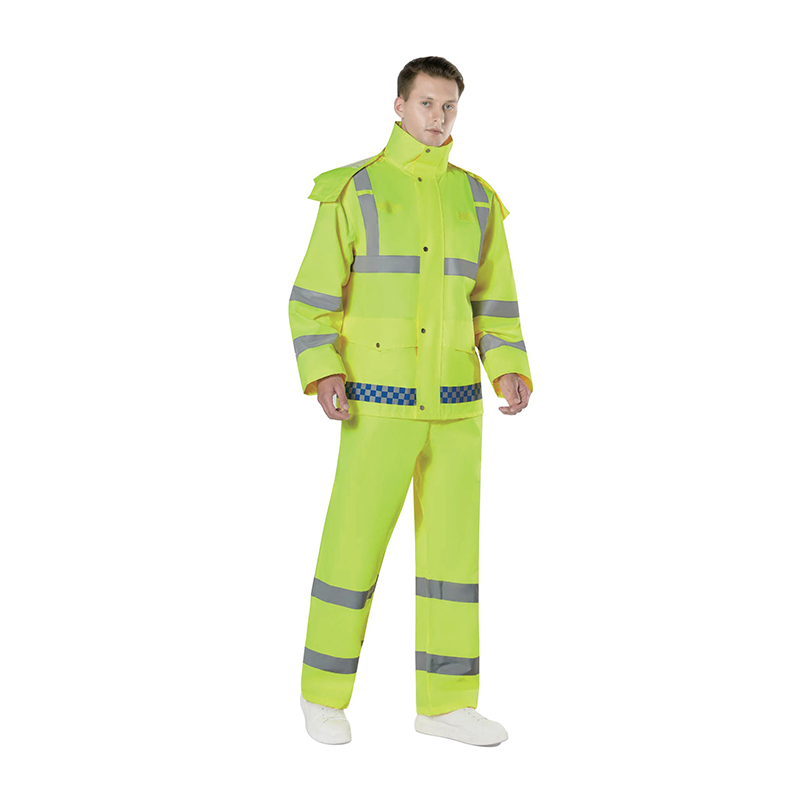
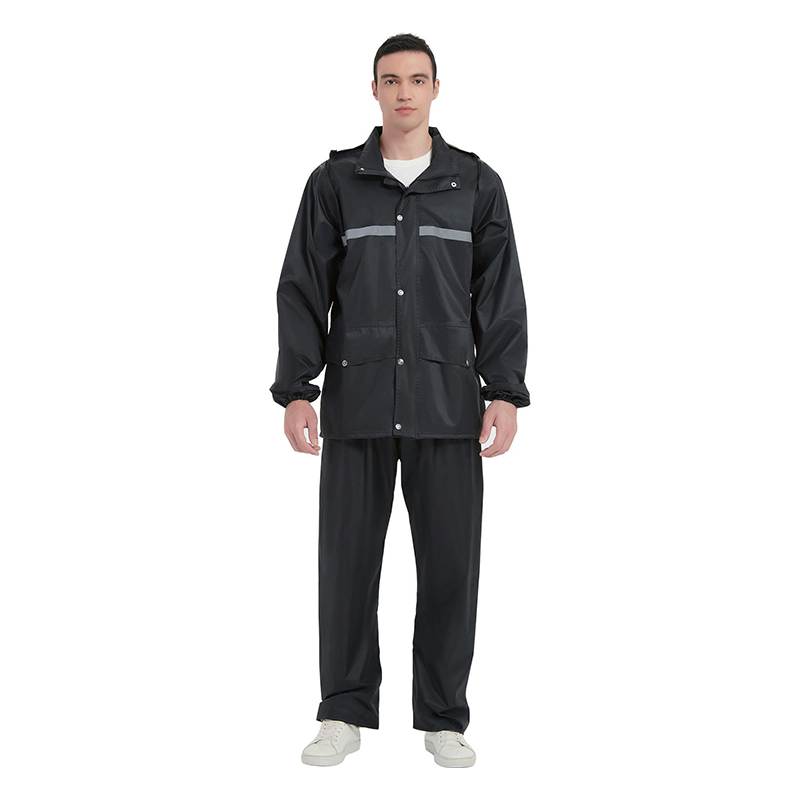
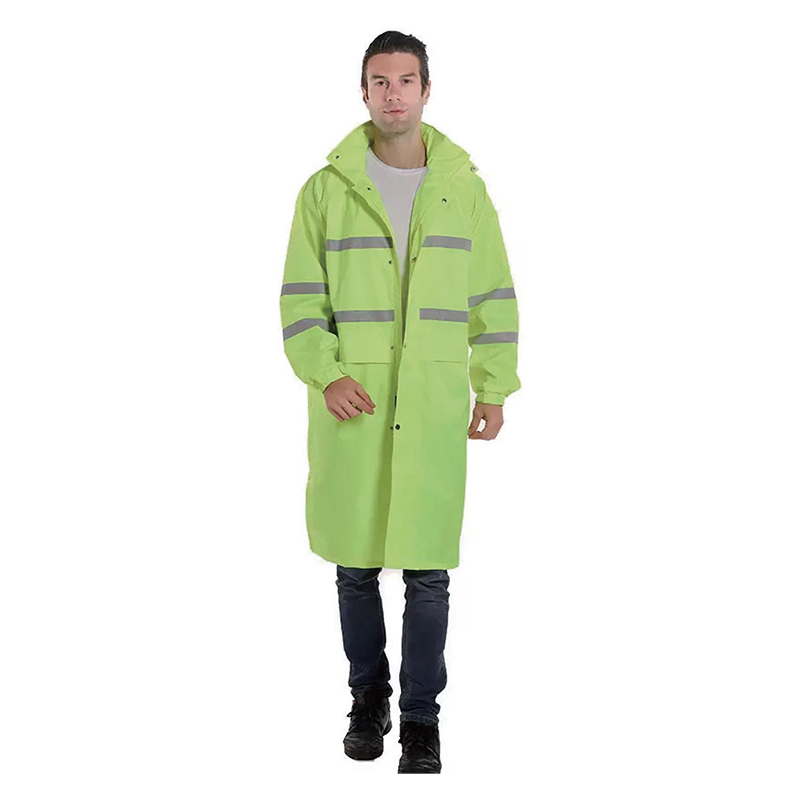
An adult raincoat is a tailored, sleeved outer garment engineered to conform to the body's shape. Most performance raincoats use a 2-layer or 3-layer laminate construction — a waterproof/breathable membrane bonded to an outer face fabric and, in 3-layer versions, an inner backer. 3-layer construction, found in premium adult raincoats from $150–$500+, offers the best durability and breathability, with waterproof ratings routinely exceeding 20,000mm HH and breathability ratings of 15,000–25,000 g/m²/24hr.
Poncho: Structure and Design
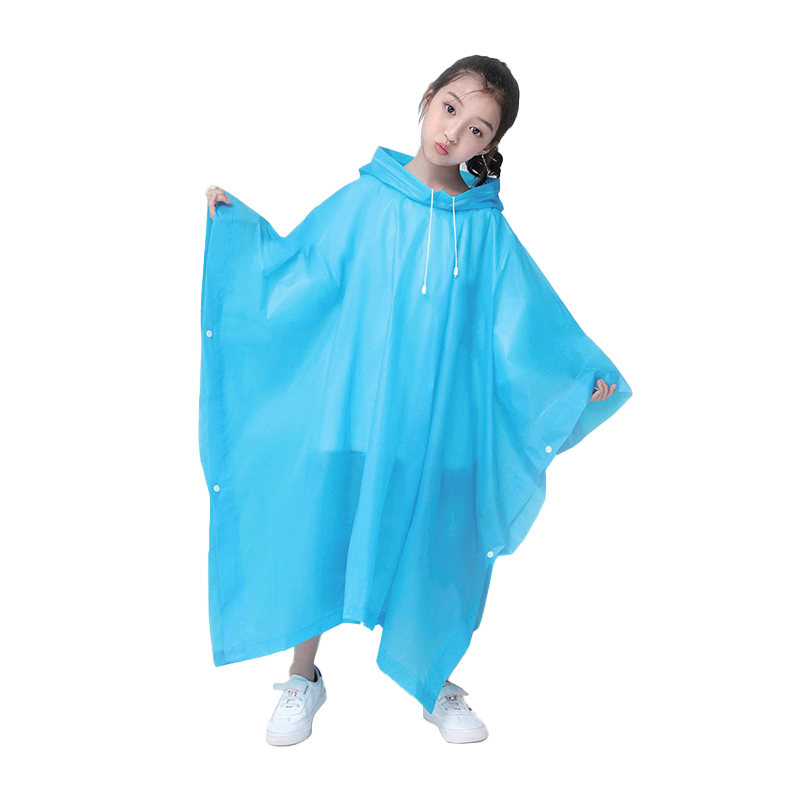
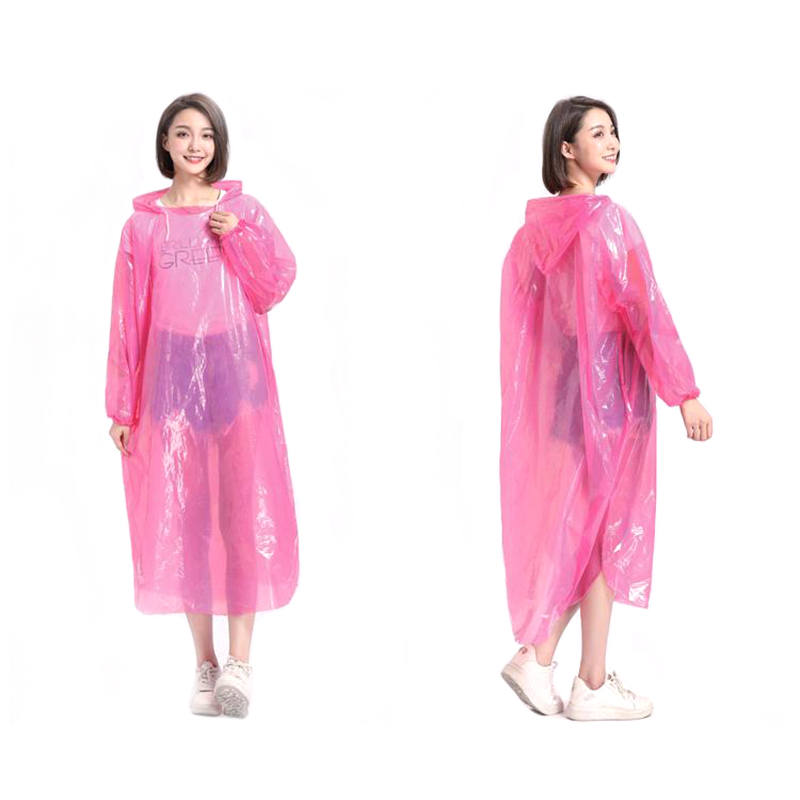
A poncho is an unshaped, cape-like rain cover with a central hood opening and, typically, no sleeves or a very loose arm configuration. Most adult ponchos are made from a single layer of coated nylon, polyester, or PU (polyurethane)-laminated fabric. The open, draping design creates natural ventilation at the sides but leaves arms, legs, and the back exposed in wind-driven rain.
Raincoat vs Poncho: Full Head-to-Head Comparison
The table below compares adult raincoats and ponchos across the factors that matter most to buyers.
| Category | Adult Raincoat | Poncho |
|---|---|---|
| Waterproof rating (typical) | 10,000–30,000mm HH | 1,500–10,000mm HH |
| Arm and body coverage | Full (sleeves + body) | Partial (arms often exposed) |
| Wind resistance | High (fitted, sealed) | Low (open sides) |
| Breathability | Medium–High (membrane dependent) | High (open airflow) |
| Packability | Medium (stuffs to softball size) | Excellent (fits in a pocket) |
| Backpack compatibility | Poor (backpack worn under) | Excellent (drapes over pack) |
| Mobility and dexterity | High (articulated sleeves) | Medium (no sleeves = free arms) |
| Price range | $30–$500+ | $1–$120 |
| Lifespan (with care) | 5–15 years | 1–5 years |
| Urban/commuter use | Excellent | Awkward in crowds |
Waterproof Ratings Explained: What the Numbers Actually Mean
The waterproof rating of a rain garment — measured in millimeters of hydrostatic head (HH) — tells you how much water pressure the fabric can withstand before it leaks. This is one of the most important specs when comparing adult raincoats and ponchos, yet it's frequently misunderstood.
- 1,500mm HH: Meets the minimum UK legal standard for "waterproof." Suitable for light drizzle only — most budget ponchos fall here.
- 5,000mm HH: Handles light to moderate rain. Common in entry-level adult raincoats and mid-range ponchos.
- 10,000mm HH: Handles moderate to heavy rain and is the baseline for outdoor and hiking adult raincoats. This is the minimum most experts recommend for prolonged outdoor exposure.
- 20,000mm HH and above: Handles heavy rain, snow, and sustained exposure.
Importantly, waterproof rating alone doesn't tell the whole story. Seam sealing is equally critical — an unsealed seam on a 20,000mm HH raincoat will leak just as fast as a budget poncho in heavy rain. Look for "fully seam-sealed" or "critically seam-sealed" construction in any adult raincoat you're considering for serious use.
When a Raincoat Is the Better Choice for Adults
An adult raincoat is the right choice in most everyday and high-demand scenarios. Its fitted construction, sleeve coverage, and seam-sealed waterproofing outperform ponchos wherever consistent, all-body protection is needed.
Daily Commuting and Urban Use
On city streets and public transit, a slim-fit adult raincoat is far more practical than a poncho. Ponchos billow in crowded spaces, catch on doors and bags, and look awkward in professional environments. A tailored adult raincoat — particularly a trench-style or hardshell jacket — works equally well in rain and dry weather, doubling as a windbreaker or light layer.
Hiking and Outdoor Activities
Trail hikers, mountaineers, and backcountry travelers almost universally prefer adult raincoats. The primary reason is wind resistance — a poncho becomes dangerous in gusty conditions above 20 mph, acting like a sail and disrupting balance on exposed terrain. A fitted adult raincoat with underarm zips (pit zips) for ventilation manages both protection and body heat effectively during high-exertion activities.
Cold and Multi-Season Weather
In temperatures below 50°F (10°C), a poncho's open sides allow cold air to penetrate rapidly, undercutting any warmth from layers beneath. An adult raincoat works as a proper outer shell, trapping body heat while blocking rain and wind. Insulated adult raincoats — combining a waterproof shell with 60–100g synthetic or down insulation — eliminate the need for a separate mid-layer in temperatures down to around 30°F (-1°C).
When a Poncho Is the Smarter Pick
Ponchos earn their place in specific scenarios where their advantages — weight, size, ventilation, and price — outweigh the coverage gaps of their design.
Backpacking and Ultralight Travel
A poncho that covers both you and your backpack simultaneously is a genuine advantage on long-distance trails. For ultralight backpackers where every gram counts, this trade-off is worth the reduced coverage.
Festivals, Sporting Events, and Outdoor Gatherings
At music festivals or outdoor spectator events, a cheap poncho is ideal — it's disposable, shareable, and doesn't matter if it gets lost or ruined. Disposable emergency ponchos costing $1–$3 are widely available and perfectly adequate for a few hours of light rain. In these contexts, investing in an adult raincoat makes little practical sense.
Hot and Humid Climates
In tropical climates where temperatures stay above 75°F (24°C), even the most breathable adult raincoat will cause significant sweat buildup during activity. A poncho's open-sided design allows natural air circulation, making it genuinely more comfortable during warm, rainy conditions — such as afternoon thunderstorms in Southeast Asia or the American Southeast in summer.
How to Choose the Right Adult Raincoat
If you've decided an adult raincoat is the right tool, the next challenge is choosing among hundreds of options. These are the key specs to prioritize.
Key Features to Look For
- Waterproof rating of 10,000mm HH minimum for genuine rain protection. Budget adult raincoats under $40 often rate at 3,000–5,000mm, which is insufficient for sustained rain.
- Fully seam-sealed construction. "Critically seam-sealed" covers only high-stress areas; "fully seam-sealed" is the gold standard and covers every stitch line.
- DWR (Durable Water Repellent) treatment on the outer fabric. DWR causes water to bead and roll off rather than saturating the face fabric, which would reduce breathability. DWR degrades with washing and use.
- Adjustable hood with a stiff brim. A hood that stays in place and shields your face during wind-driven rain is one of the most underrated features of a quality adult raincoat.
- Pit zips or mesh-lined pockets for ventilation during active use — essential for hiking raincoats to prevent overheating.
- Weight and packed size. Lightweight adult raincoats (under 400g / 14 oz) are ideal for travel and day hiking; heavier, more durable models (500g–800g) suit commuters or mountaineers who prioritize longevity over pack weight.
Adult Raincoat Styles by Use Case
| Style | Best For | Typical Price | Key Feature |
|---|---|---|---|
| Hardshell jacket | Hiking, mountaineering | $100–$500+ | Max waterproofing + breathability |
| Packable rain jacket | Travel, day hiking | $50–$200 | Packs into own pocket |
| Trench / city raincoat | Urban commuting, work | $60–$300 | Stylish, mid-thigh coverage |
| Insulated rain jacket | Cold and wet conditions | $120–$400 | Shell + insulation in one |
| Rain anorak (pullover) | Running, cycling | $40–$180 | Minimal weight, athletic fit |
Care and Maintenance: Making Your Rain Gear Last
Improper care is the most common reason adult raincoats and ponchos fail prematurely. Both garment types require specific maintenance to preserve their waterproof performance over time.
Adult Raincoat Maintenance
- Wash regularly with technical detergent. Standard laundry detergents contain surfactants that clog the membrane's pores and destroy DWR. Most adult raincoats should be washed every 10–15 wears, or whenever water stops beading on the surface.
- Tumble dry on low heat after washing. Heat reactivates DWR treatment. A 20-minute tumble dry cycle can restore DWR performance by up to 80% before it needs retreatment.
- Reapply DWR when water stops beading. Spray-on DWR products (like Nikwax TX.Direct Spray-On) are applied after washing and restore the water-repellent finish. DWR typically needs reapplication every 1–2 seasons with regular use.
- Store loosely, not compressed. Storing an adult raincoat stuffed into its pocket long-term can stress the membrane at fold points. Hang or store loosely in a dry location between seasons.
Poncho Maintenance
- Rinse with clean water after use, especially if exposed to salt water, sunscreen, or insect repellent — all of which degrade PU coatings.
- Dry completely before folding and storing — moisture trapped in a folded poncho causes hydrolysis of the coating and accelerates delamination.
- Avoid machine washing budget PU-coated ponchos — the agitation and heat can cause delamination. Hand wash in cold water with mild soap if needed.
Can You Own Both? When to Use Each
Many outdoor enthusiasts own both an adult raincoat and a poncho — and for good reason. They serve complementary roles rather than directly competing.
- Keep a packable poncho ($10–$20) in your day bag as an emergency backup for unexpected rain when you don't want to carry a full raincoat.
- Wear your adult raincoat for planned outdoor activities, commuting in known rainy weather, and any situation where wind or cold is a factor.
- Bring a hiking poncho on backpacking trips where you're wearing a large pack and want the option to cover both yourself and your gear simultaneously.
- Default to your adult raincoat in urban, cold, or high-wind environments where a poncho's open design becomes more hindrance than help.
The cost of pairing a quality adult raincoat with a basic backup poncho is modest — as little as $70–$100 for a solid mid-range adult raincoat plus a packable emergency poncho — and it covers virtually every rain scenario you're likely to encounter.