English
 Español
Content
- 1 Rain Jacket vs Disposable Poncho: The Direct Answer
- 2 Side-by-Side Comparison: Rain Jacket vs Disposable Poncho
- 3 Waterproofing Performance: How Each One Actually Keeps You Dry
- 4 Breathability and Comfort: The Biggest Practical Difference
- 5 Cost Analysis: What You're Actually Paying Per Use
- 6 Portability and Weight: Where the Poncho Wins Decisively
- 7 Coverage Area: Ponchos Protect More of Your Body
- 8 Best Use Cases for a Waterproof Disposable Poncho
- 9 Best Use Cases for a Rain Jacket
- 10 Environmental Considerations: The Sustainability Trade-Off
- 11 How to Choose the Right Disposable Poncho: What to Look For
- 12 The Smart Approach: Own Both
Rain Jacket vs Disposable Poncho: The Direct Answer
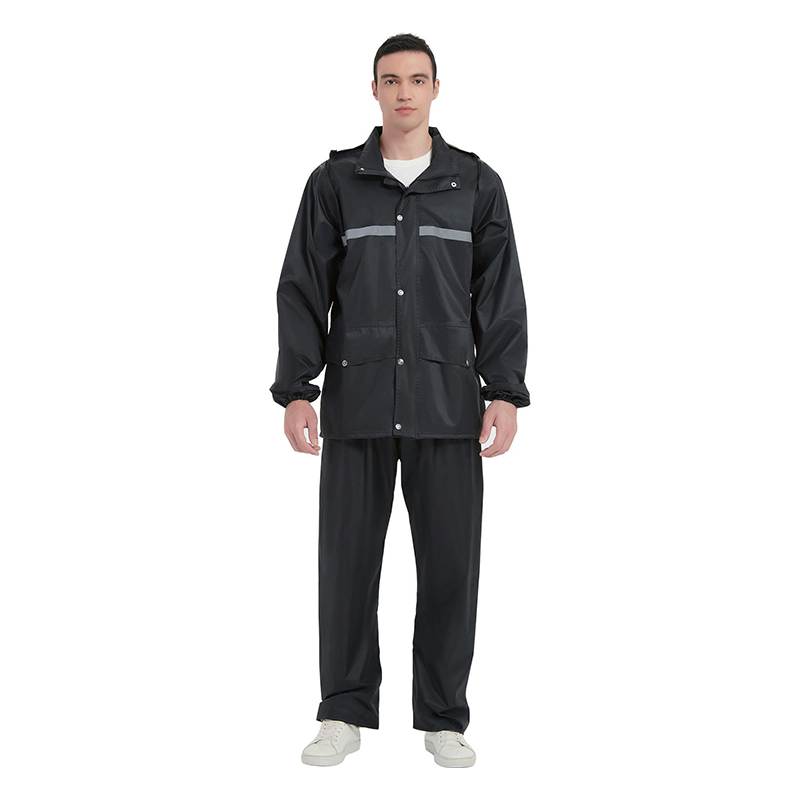
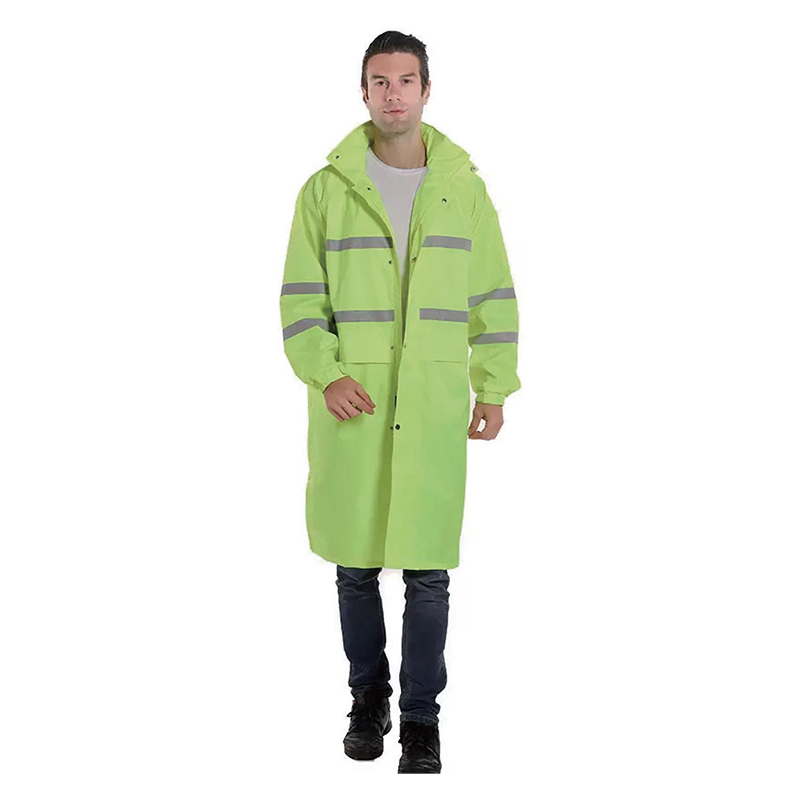
A rain jacket is the better long-term investment for regular outdoor use, offering superior waterproofing, breathability, and durability. A waterproof disposable poncho wins on cost, convenience, and portability for emergency or one-time use situations. If you hike, commute, or travel frequently in wet weather, a quality rain jacket is worth every dollar. If you're heading to a festival, watching an outdoor event, or need backup rain gear that weighs nothing in your bag, a disposable poncho is the practical choice.
The right answer depends on how often you'll use it, where you're going, and what you're willing to spend. The sections below compare both options across every factor that matters so you can make a confident decision.
Side-by-Side Comparison: Rain Jacket vs Disposable Poncho
Use this table as a quick reference before diving into the detailed breakdown below.
| Feature | Rain Jacket | Disposable Poncho |
|---|---|---|
| Waterproofing Level | High (10,000–30,000+ mm HH) | Basic (light to moderate rain) |
| Breathability | Good to Excellent | None (plastic traps heat) |
| Cost | $50–$500+ | $0.50–$3 per unit |
| Weight | 200–600 g | 30–60 g |
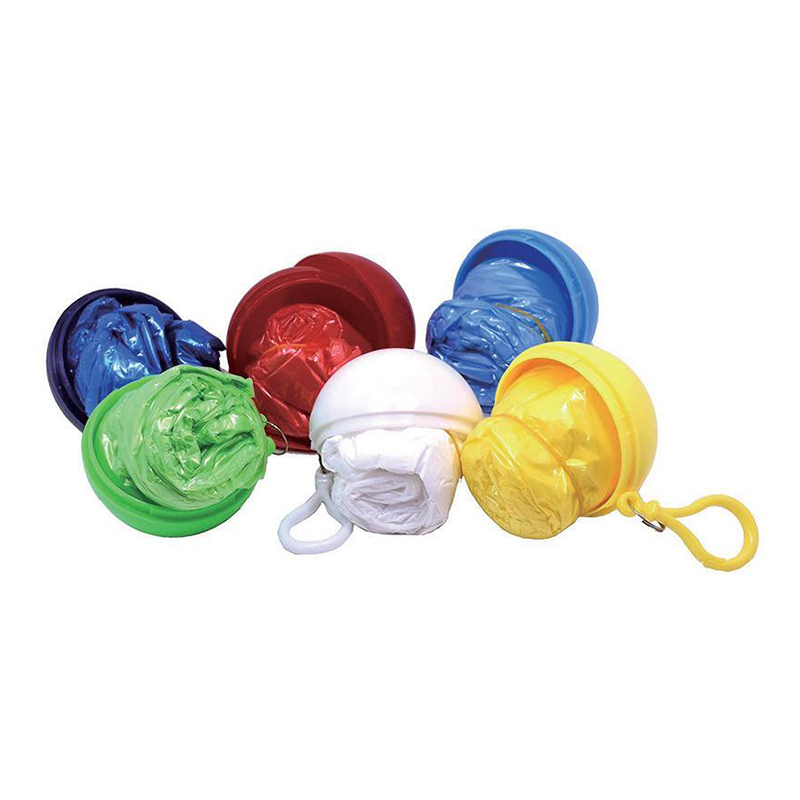
| Packed Size | Fist-sized | Wallet-sized |
| Durability | Years of use | Single use (or a few uses) |
| Coverage | Upper body only | Upper body + legs + backpack |
| Fit and Mobility | Tailored, athletic fit | Loose, one-size-fits-all |
| Environmental Impact | Lower (reusable) | Higher (single-use plastic) |
| Best For | Regular outdoor use, hiking, travel | Emergencies, events, backup gear |
Waterproofing Performance: How Each One Actually Keeps You Dry
Waterproofing is the core function of both products, but they achieve it very differently — and the gap in performance is significant.
Rain Jacket Waterproofing Technology
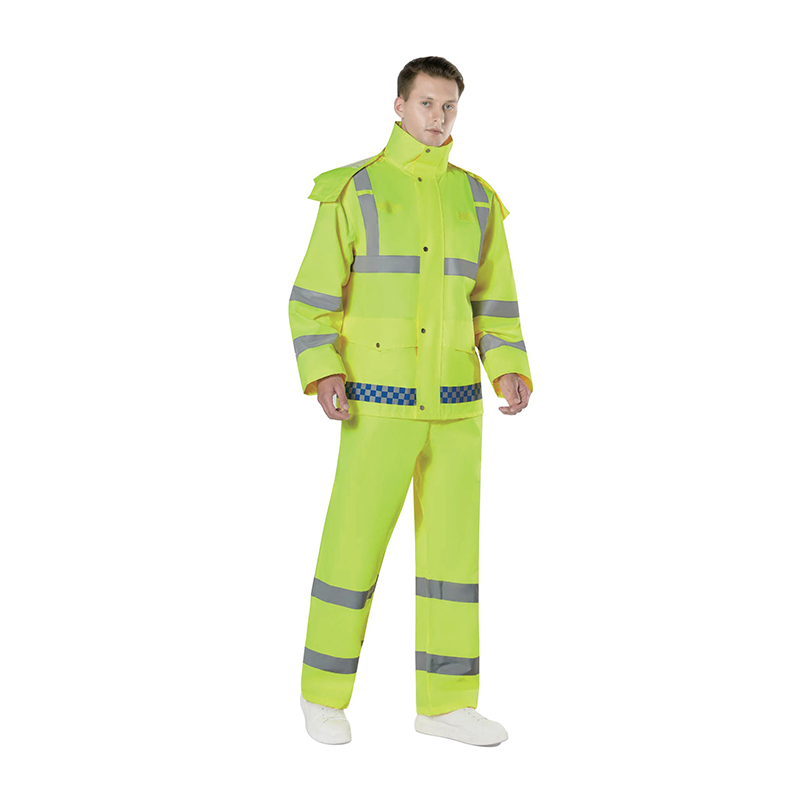
Quality rain jackets use a combination of a DWR (Durable Water Repellent) outer coating and a waterproof-breathable membrane such as Gore-Tex, eVent, or brand-specific equivalents. Waterproofing is measured in millimeters of hydrostatic head (HH) — the height of water a fabric can withstand before leaking. Entry-level rain jackets typically offer 5,000–10,000 mm HH, while premium hiking jackets reach 20,000–30,000 mm HH or higher. For reference, heavy rain generates approximately 2,000 mm of pressure, meaning even a budget jacket far exceeds what most rain events demand.
Critically, rain jackets also have taped or welded seams — the stitching holes that would otherwise leak are sealed during manufacturing. Fully taped seams (found on jackets $150+) seal every seam on the garment; critically taped seams seal only the shoulder and hood seams on more affordable models.
Disposable Poncho Waterproofing
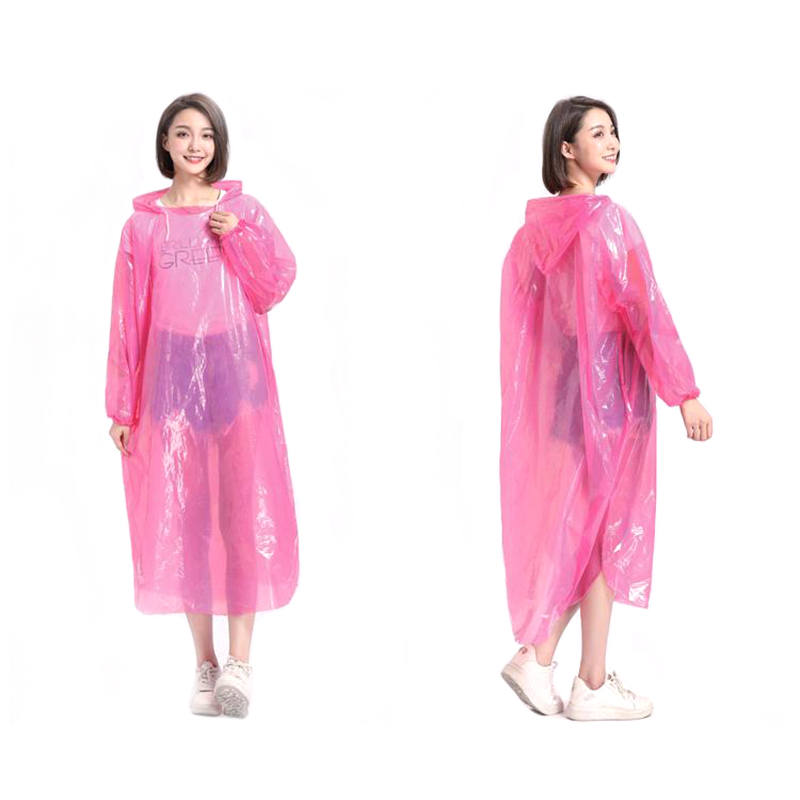
Waterproof disposable ponchos are made from thin polyethylene (PE) plastic or PEVA (polyethylene vinyl acetate), typically 0.01–0.05 mm thick. Because plastic is inherently impermeable, these ponchos are technically 100% waterproof as a material — water simply cannot pass through the film itself. However, their weak points are the seams, the hood opening, and the bottom hem, which are not sealed to the same standard as a rain jacket.
In light to moderate rain lasting under an hour, a good quality disposable poncho will keep you dry. In driving rain, wind-driven downpours, or extended exposure, the seams may begin to leak and the loose fit allows wind-blown rain to enter at the hem and wrists. For sustained heavy rain, a rain jacket is the more reliable choice.
Breathability and Comfort: The Biggest Practical Difference
This is where disposable ponchos fall furthest behind — and where rain jackets justify their price premium for active use.
Why Breathability Matters
When you walk, hike, or move actively in rain gear, your body generates heat and perspiration. Without breathability, that moisture builds up inside the garment, leaving you feeling clammy and wet — even if no rain has penetrated. This is commonly called the "sauna effect." In cold conditions, trapped moisture accelerates heat loss and increases the risk of chilling. In warm conditions, it creates discomfort and overheating.
Rain Jacket Breathability Ratings
Breathability in rain jackets is measured in grams of moisture vapor transmitted per square meter per 24 hours (g/m²/24h). A jacket rated at 10,000 g/m²/24h is considered good for moderate activity; premium membranes like Gore-Tex Pro reach 25,000+ g/m²/24h, keeping serious hikers and runners comfortable even during high-exertion activities in wet weather.
Disposable Ponchos Have Zero Breathability
Plastic film used in disposable ponchos has a breathability rating of effectively 0 g/m²/24h. They are completely vapor-impermeable. For standing in rain at a concert or waiting for a bus, this is tolerable. For any activity involving movement — hiking a trail, walking a theme park, cycling — the heat and moisture buildup inside a disposable poncho becomes uncomfortable within 15–20 minutes of moderate effort.
Cost Analysis: What You're Actually Paying Per Use
The price gap between a rain jacket and a disposable poncho seems enormous at first glance — but cost-per-use math changes the picture significantly.
Rain Jacket Cost Over Time
A mid-range rain jacket costs $80–$150 and with proper DWR re-treatment (a $10–$15 spray applied every 1–2 years) can last 5–10 years or longer. If you use it just 20 times per year, that's 100–200 uses over five years, bringing the cost per use down to as little as $0.40–$1.50 — comparable to or cheaper than a single disposable poncho over time.
Disposable Poncho Cost
Disposable ponchos purchased individually at tourist areas or theme parks can cost $3–$8 each. Bought in bulk — packs of 10 or 50 online — the cost drops to $0.50–$1.50 per poncho. For genuine single-use scenarios (an unexpected rain shower at a stadium, a backup in an emergency kit), this is excellent value. The economics break down only if you find yourself buying them repeatedly for regular use.
A Note on "Reusable" Ponchos
Some slightly thicker disposable ponchos marketed as "reusable" or "emergency" ponchos (typically 0.04–0.10 mm PE) can survive 3–10 uses if carefully dried and stored. These cost $2–$5 each and offer a middle ground — better than single-use in terms of waste, but still far below the performance and longevity of a real rain jacket.
Portability and Weight: Where the Poncho Wins Decisively
For travelers, day-trippers, and anyone who wants emergency rain protection without dedicating bag space, the disposable poncho has a genuine and substantial advantage.
A waterproof disposable poncho folds down to roughly the size of a playing card and weighs 30–60 grams — light enough to slip into a wallet, purse, or jacket pocket and forget about until needed. A packable rain jacket, even the ultralight variety, weighs 200–400 grams and packs to roughly the size of a softball.
For context: keeping a 10-pack of disposable ponchos in a car glove box, a child's school bag, or an emergency preparedness kit costs under $10 and takes up almost no space. That same coverage via rain jackets for a family of four would cost $200–$600. In specific use cases — keeping backup rain gear for guests, handing out ponchos at outdoor events, stocking first-aid kits — disposable ponchos are the only practical solution.
Coverage Area: Ponchos Protect More of Your Body
One often-overlooked advantage of ponchos — disposable or otherwise — is the area they cover compared to a rain jacket.
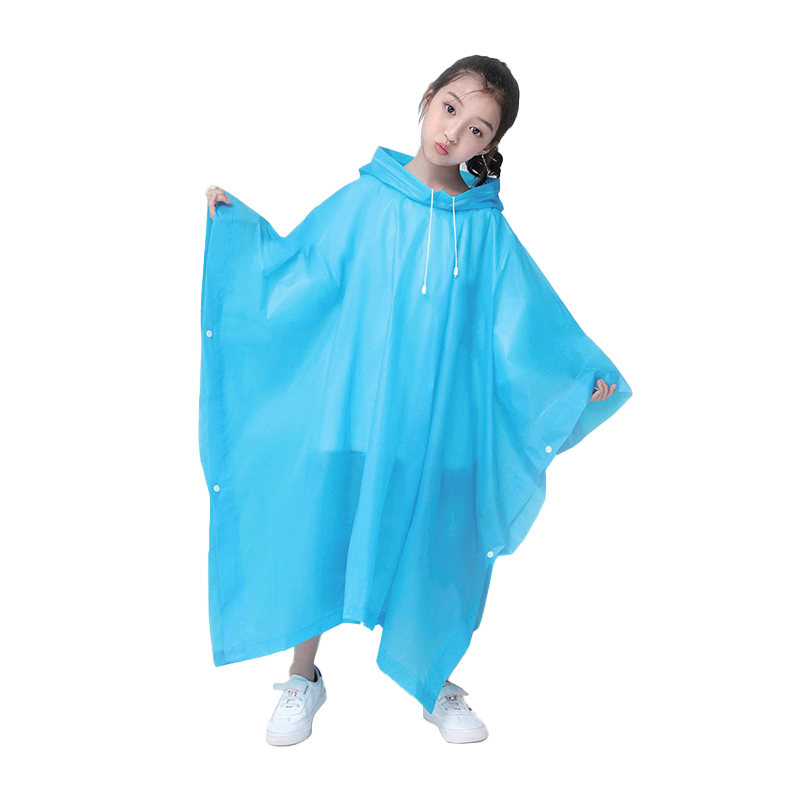
A standard rain jacket covers the torso and arms to the wrist, stopping at the hip. A poncho extends to mid-thigh or knee level, covering the upper legs, and its generous dimensions typically accommodate a daypack or small backpack underneath, keeping your gear dry as well. For hikers who prefer not to use a separate pack cover, or travelers protecting a camera bag, this built-in coverage is genuinely useful.
Rain jackets require separate rain pants to protect the lower body, adding cost ($40–$120 for a quality pair) and weight. A poncho handles both upper and lower body in one garment — though the loose, untailored fit means less wind resistance and mobility compared to a jacket-and-pants system.
Best Use Cases for a Waterproof Disposable Poncho
A disposable poncho is the smarter choice — or at least a critical backup — in the following specific situations:
- Theme parks and outdoor festivals: Standing in line or watching a stage in light rain requires zero mobility — the breathability limitation doesn't matter. A poncho also covers a large bag or camera equipment.
- Spectator sports events: Outdoor stadiums and bleacher seating in unexpected rain. Most venues prohibit large umbrellas; a folded poncho fits in any pocket.
- Emergency car kit: A pack of 5–10 ponchos stored in a vehicle covers a whole family if caught in rain during a breakdown or roadside emergency.
- International travel to tropical climates: Brief, intense rain showers in places like Southeast Asia or Central America are common and unpredictable. A pocket-sized poncho weighs nothing in a travel bag.
- Children's school and sports bags: Kids lose or damage gear constantly. A $1 backup poncho is a practical alternative to risking an expensive jacket.
- Disaster preparedness kits: Lightweight, compact, and cheap enough to stock multiples. FEMA and Red Cross both include ponchos in recommended emergency supply lists.
Best Use Cases for a Rain Jacket
Invest in a quality rain jacket when the conditions or frequency of use make performance and comfort non-negotiable:
- Hiking and trail running: Active movement in wet conditions demands breathability and a secure fit. A poncho becomes a liability in wind and on technical terrain.
- Daily commuting in rainy climates: Cities like Seattle, London, or Vancouver see 150+ rainy days per year. A daily-use rain jacket pays for itself within a single season compared to repeatedly buying disposables.
- Cycling: A poncho is dangerous on a bike — it can catch in wheels or obscure vision. A fitted cycling rain jacket is the only safe option.
- Extended backcountry or multi-day trips: When you're days from shelter, reliable waterproofing and breathability are safety issues, not just comfort preferences.
- Cold and wind combined with rain: Rain jackets provide wind resistance and structure that a loose poncho cannot. In temperatures below 10°C (50°F) with rain, a quality jacket is significantly warmer due to its close-fitting insulation properties.
Environmental Considerations: The Sustainability Trade-Off
Disposable ponchos are made from single-use plastics that end up in landfill after one wear. A single-use PE poncho takes hundreds of years to decompose in a landfill. For environmentally conscious consumers, this is a real concern — especially for events where thousands of ponchos may be distributed and discarded in a single evening.
That said, the environmental math isn't entirely one-sided. Rain jackets use synthetic fabrics — nylon, polyester, and fluoropolymer-based DWR coatings — that also have a significant production footprint and shed microplastics during washing. A rain jacket's environmental advantage is realized only if it's used for many years; a jacket replaced every 2–3 years due to wear or fashion may not be as green as it appears.
If sustainability matters to you, look for PEVA-based disposable ponchos (chlorine-free and less toxic than standard PVC alternatives), or invest in a rain jacket from brands with take-back recycling programs such as Patagonia, Arc'teryx, or Outdoor Research.
How to Choose the Right Disposable Poncho: What to Look For
Not all disposable ponchos offer the same protection. If you're stocking up, here are the key specifications to evaluate:
- Material thickness: Look for at least 0.03–0.05 mm PE or PEVA for a poncho that will survive a full rain event without tearing. Ultra-thin 0.01 mm versions are extremely fragile.
- Hood design: A drawstring hood keeps rain out far better than a simple loose opening. Confirm the hood fits securely over a hat if you intend to wear one.
- Seam construction: Heat-welded or double-stitched seams are more water-resistant than single-stitch construction. Check product photos carefully.
- Size: Standard adult ponchos fit up to approximately size XL. If you're tall or planning to cover a backpack, look for "extra large" or "poncho with backpack hood" styles, which add 6–10 inches of extra length.
- Snap or thumb-hole wrist closures: These prevent wind from lifting the poncho at the sides and keep more rain off your arms and hands.
- Visibility and color: Clear or bright yellow ponchos are safer in low-light or road-adjacent conditions. If you're buying for children, a high-visibility color is worth prioritizing.
The Smart Approach: Own Both
For most people, the rain jacket vs. disposable poncho debate doesn't have to be either/or. The smartest outdoor gear strategy is to own a quality rain jacket for planned activities and keep a few disposable ponchos as true emergency backup.
A 10-pack of quality disposable ponchos costs under $10 and fits in a small bag pocket or car compartment. That investment covers unexpected weather for you and several companions, protects camera bags and daypacks, and serves as backup when your primary rain jacket is packed in checked luggage or left at home. Meanwhile, your rain jacket delivers the performance, comfort, and durability needed for any trip where wet weather is anticipated.
Think of a waterproof disposable poncho the way you think of a spare tire — you hope you don't need it, but you're glad it's there when the weather turns without warning.