English
 Español
Short answer: a windbreaker blocks wind and shrugs off light drizzle, but it will soak through in sustained rain because it's water-resistant, not waterproof. A raincoat uses a sealed or coated waterproof shell — typically rated 5,000mm to 20,000mm+ on the hydrostatic head scale — built to keep you dry through a real downpour.
If you're commuting, working outdoors, fishing, or walking in anything more than a five-minute sprinkle, an adult raincoat is the safer buy. Save the windbreaker for dry, breezy days where breathability matters more than full waterproofing.
Content
- 1 What Actually Separates a Windbreaker From a Raincoat
- 2 Windbreaker vs Raincoat: Side-by-Side Comparison
- 3 How to Read a Raincoat's Waterproof Rating
- 4 PVC vs Nylon Raincoats: Which Material Fits Your Use
- 5 Choosing By Activity: A Practical Breakdown
- 6 Beyond the Coat: Building a Full Rain-Ready Outfit
- 7 Common Questions
What Actually Separates a Windbreaker From a Raincoat
The two garments look similar folded on a shelf — both are lightweight, both have a hood, both zip up the front. The difference is inside the fabric. A windbreaker is a single layer of tightly woven nylon or polyester, sometimes finished with a Durable Water Repellent (DWR) spray that makes water bead up and roll off. That coating wears off within a season of regular use and offers no defense against sustained pressure — a heavy downpour, wind-driven rain, or sitting on a wet surface will push water straight through.
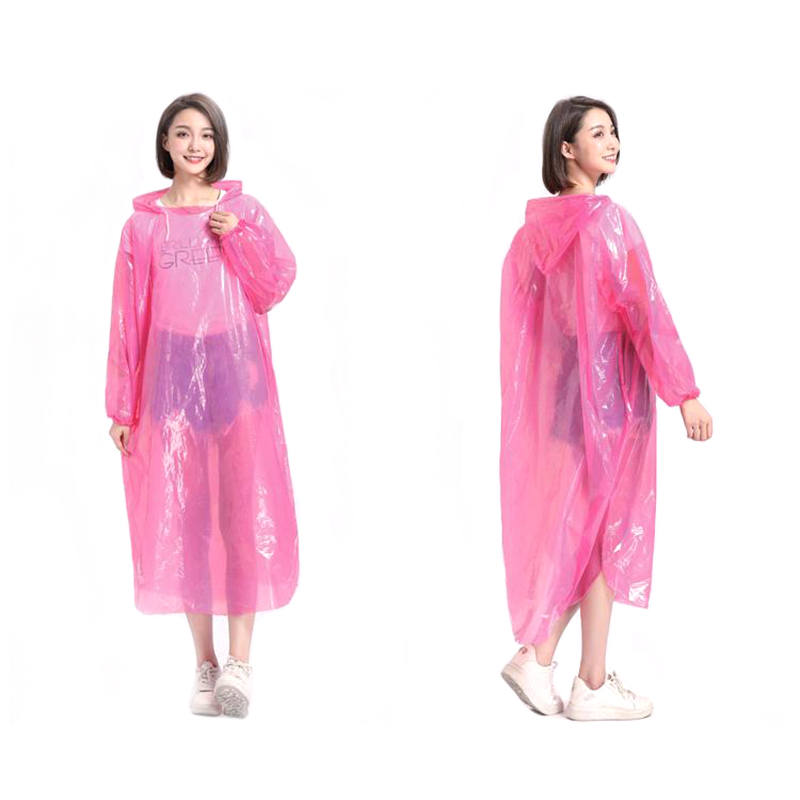
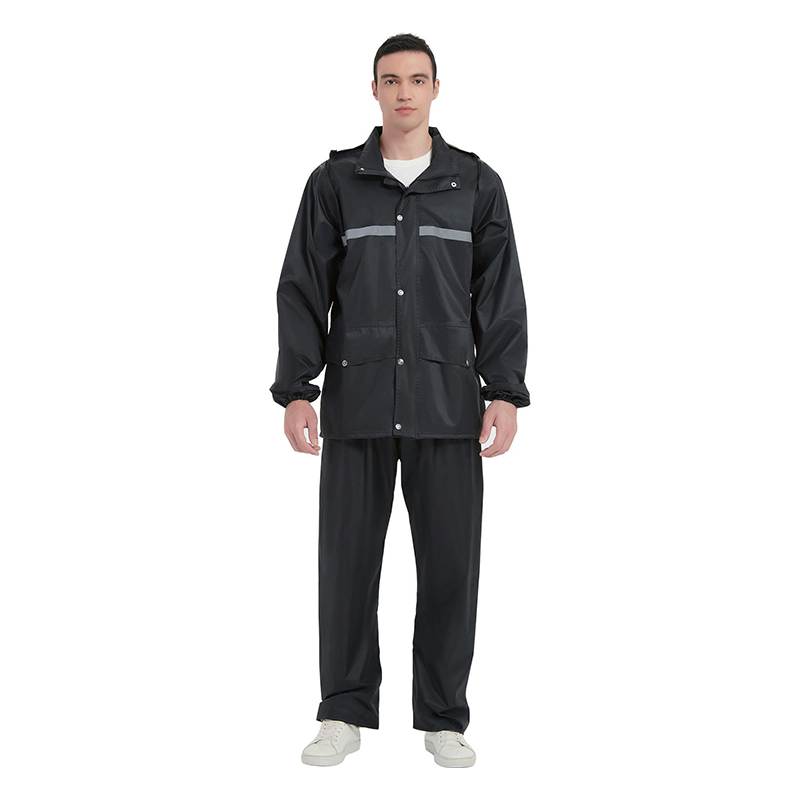
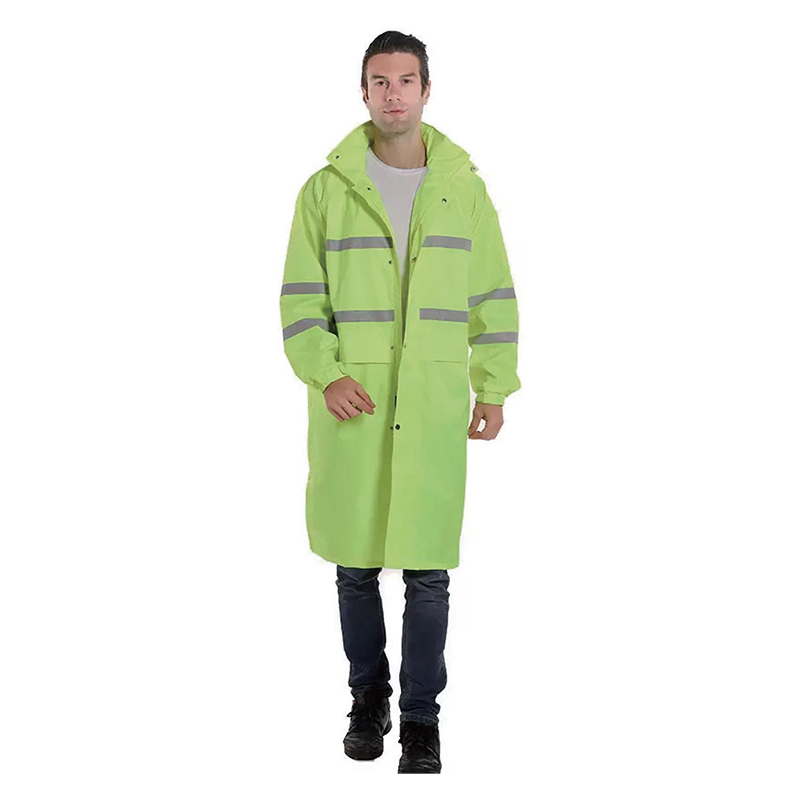
A raincoat is built differently on purpose. It uses a waterproof membrane or a PVC/PU coated layer bonded to the outer fabric, combined with taped or welded seams that block the thousands of tiny needle holes left by stitching. This is why a raincoat can be worn in continuous rain for hours while a windbreaker cannot.
Built For
Wind, mist, short dry-weather changes, high-output movement
- Single-layer woven nylon/polyester
- DWR surface coating (wears off over time)
- Packs into its own pocket
Built For
Sustained rain, standing water, prolonged outdoor exposure
- PVC/PU coated or membrane-laminated shell
- Taped or welded seams
- Storm flaps, sealed zippers, adjustable hood
Windbreaker vs Raincoat: Side-by-Side Comparison
Here's how the two hold up across the factors that actually matter when you're standing outside in weather.
| Factor | Windbreaker | Raincoat |
|---|---|---|
| Water protection | Water-resistant only; soaks through in 15–30 min of steady rain | Fully waterproof; rated 5,000–20,000mm hydrostatic head |
| Seam construction | Stitched, unsealed — leaks form at needle holes | Taped, welded, or heat-sealed seams |
| Fabric weight | Very light (typically 100–150g), packs small | Heavier due to coating/membrane layers |
| Breathability | High — good for running, cycling, hiking | Lower on PVC-coated styles; higher on 3-layer membranes |
| Best-use duration | Short exposure (commute, quick errands) | All-day exposure (work shifts, storms, fishing) |
| Wind resistance | Excellent — this is its primary job | Good — most raincoats also block wind effectively |
| Typical materials | Nylon, polyester with DWR | PVC, coated nylon, PU-laminated fabric |
How to Read a Raincoat's Waterproof Rating
Every raincoat that claims to be waterproof should list a hydrostatic head (HH) number, measured in millimeters. The test is simple: a tube of water sits on top of the fabric and the height of the water column is raised until moisture pushes through. A higher number means the fabric resists more pressure — which matters because rain is rarely gentle. Wind drives it sideways, a backpack strap compresses it against your shoulders, and sitting on a wet bench applies far more pressure than standing in open rain.
Hydrostatic Head Rating Guide
A rating alone doesn't guarantee a dry day. A 15,000mm fabric with cheap, unsealed seams and an open front zip will still let water in around the stitching and the placket. When you're comparing adult raincoats, check for three things together: the mm number, whether seams are described as "fully taped" versus "critically taped" (fully taped covers every stitch line), and whether the zipper has a storm flap or a water-resistant coil.
PVC vs Nylon Raincoats: Which Material Fits Your Use
Not every raincoat is built the same way, and the material changes how it performs, packs, and lasts.
PVC Raincoats
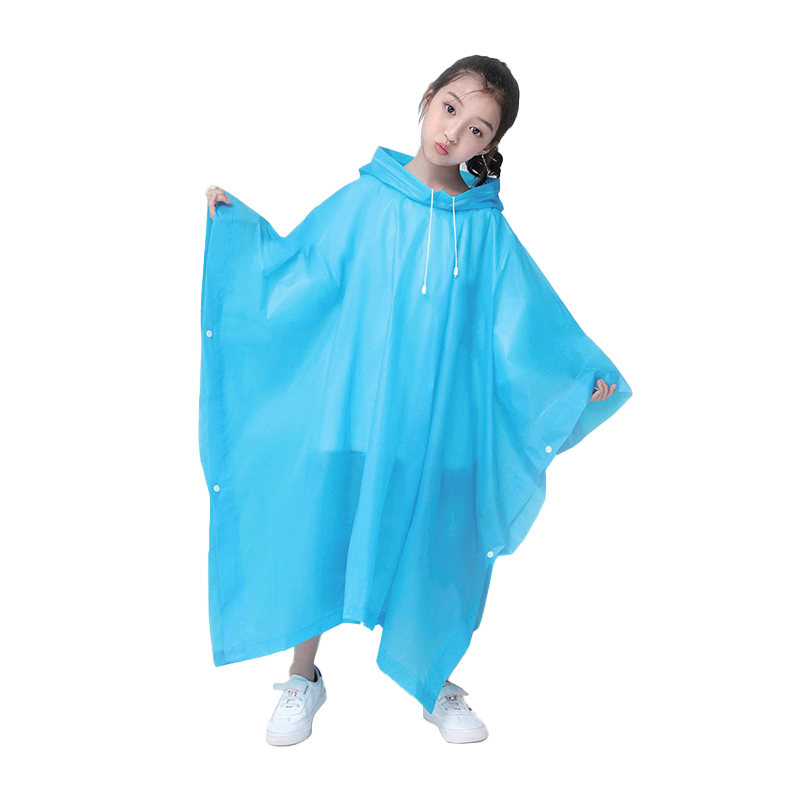
PVC (polyvinyl chloride) shells are fully waterproof by nature — the material itself is the barrier, not a coating that can wear off. This makes PVC the standard choice for commercial fishing, agriculture, construction, and marine work, where a raincoat gets soaked and abused daily. The tradeoff is breathability: PVC doesn't let vapor escape, so it can feel warm during high-activity wear. It's also stiffer in cold temperatures than coated nylon.
Nylon (Coated) Raincoats
Nylon raincoats use a PU or similar coating applied to a woven nylon base. They're lighter, fold down smaller, and move more like regular outerwear — better suited to everyday commuting, travel, and casual use where all-day comfort matters as much as staying dry. The coating can degrade with heavy abrasion over years of use, so it typically has a shorter working life in rough conditions than solid PVC.
Quick Material Pick
- Choose PVC if you need maximum durability for outdoor labor, wading, fishing, or repeated heavy-rain exposure
- Choose coated nylon if you want a lighter, more packable raincoat for daily commuting or travel
- Choose a PVC & nylon suit combination if you want PVC's waterproofing with a lighter overall build
- Check the seams either way — taped or welded seams matter more than the shell material alone
Choosing By Activity: A Practical Breakdown
The right jacket depends less on brand and more on how long you'll actually be exposed to weather, and how much you're moving while wearing it.
Best Scenarios
- Running or cycling in dry, breezy conditions
- Air travel and packing light
- Layering over a hoodie on a cool evening
- Short walks with low chance of rain
Best Scenarios
- Outdoor work shifts (delivery, construction, landscaping)
- Fishing, boating, or wading near water
- Daily commuting in a rainy climate
- Any forecast with sustained or heavy rain
Beyond the Coat: Building a Full Rain-Ready Outfit
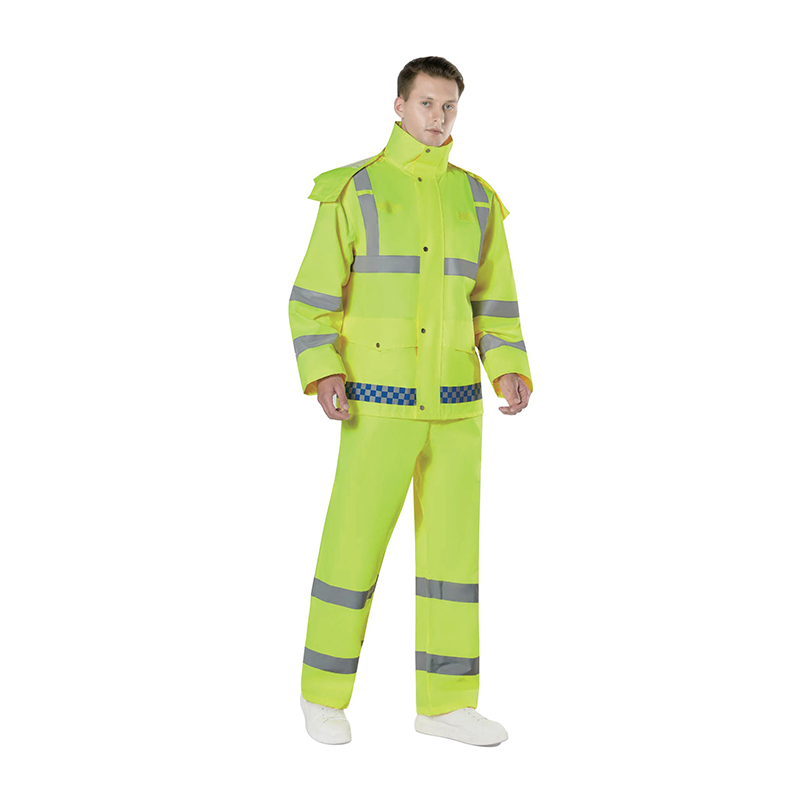
A waterproof jacket handles your torso, but rain and low-visibility conditions affect more than just staying dry. If you're outdoors for work — directing traffic, walking a roadside, or moving equipment in a storm — pairing your raincoat with the right accessories closes the gaps a jacket alone leaves open.
Gear That Pairs With Your Raincoat
A few practical additions make a real difference once the rain starts and the light fades.
Common Questions
Q.Can a windbreaker be used as a light raincoat?
For a short walk in drizzle, yes — the DWR finish will bead water for a while. Once rain becomes steady or lasts more than about 20–30 minutes, most windbreakers will start to soak through at the shoulders and seams.
Q.Is a higher hydrostatic head rating always better?
Not necessarily. Higher mm ratings usually mean heavier, less breathable fabric. For daily wear, 10,000–15,000mm with fully taped seams is a practical, comfortable target — reserve 20,000mm+ for heavy occupational or marine use.
Q.Do I need both a windbreaker and a raincoat?
If your climate mixes dry-and-breezy days with genuine downpours, owning both covers you without overheating on the days you don't need full waterproofing.
Q.Why does my raincoat feel hot even though it's waterproof?
This is common with PVC-coated raincoats, since the coating blocks vapor from escaping along with water. If breathability during activity matters most, look for a coated-nylon or membrane-laminated raincoat instead of solid PVC.