English
 Español
A disposable raincoat is a lightweight, single-use waterproof garment designed to protect the wearer from rain without the need to carry, clean, or store a traditional raincoat. Typically made from thin plastic or polyethylene film, it is worn once — or a limited number of times — and then discarded. Most disposable raincoats weigh less than 50 grams and fold down small enough to fit in a pocket or purse.
These garments are widely used at outdoor events, theme parks, sporting matches, festivals, and during travel, where carrying a full-size rain jacket is impractical. They offer immediate, on-demand weather protection at a very low cost — typically between $0.50 and $3.00 per unit for standard consumer versions.
Content
- 1 What a Disposable Raincoat Is Made Of
- 2 Types of Disposable Raincoats Available
- 3 When and Why People Use Disposable Raincoats
- 4 Key Advantages of a Disposable Raincoat
- 5 Limitations and Honest Drawbacks
- 6 Eco-Friendly Alternatives to Standard Disposable Raincoats
- 7 How to Choose the Right Disposable Raincoat
What a Disposable Raincoat Is Made Of
The material used in a disposable raincoat directly determines its waterproofing effectiveness, durability, and environmental impact. Most products on the market use one of three primary materials:
Polyethylene (PE) Film
The most common material. PE film is fully waterproof, extremely lightweight, and inexpensive to produce. However, it is not breathable, which means the wearer may feel warm or sweaty during prolonged use. PE raincoats typically have a thickness between 0.01 mm and 0.05 mm — the thinner versions are truly single-use, while thicker variants may survive two or three wearings.
EVA (Ethylene-Vinyl Acetate)
EVA is a softer, more flexible plastic than standard PE and is used in slightly higher-quality disposable raincoats. It is also fully waterproof and has better tear resistance, making it suitable for longer outdoor events. EVA does not contain chlorine, which makes it marginally more environmentally preferable than PVC options.
PEVA (Polyethylene Vinyl Acetate) and PVC
PVC was historically common in disposable rain gear but has declined due to environmental and health concerns around chlorine content. PEVA is the more modern substitute — chlorine-free, flexible, and water-resistant. Some reusable-style "disposable" raincoats use PEVA as it holds up through multiple uses while remaining affordable.
Types of Disposable Raincoats Available
Disposable raincoats come in several formats, each designed for a specific use case or level of protection:
| Type | Coverage | Typical Use | Approx. Weight |
|---|---|---|---|
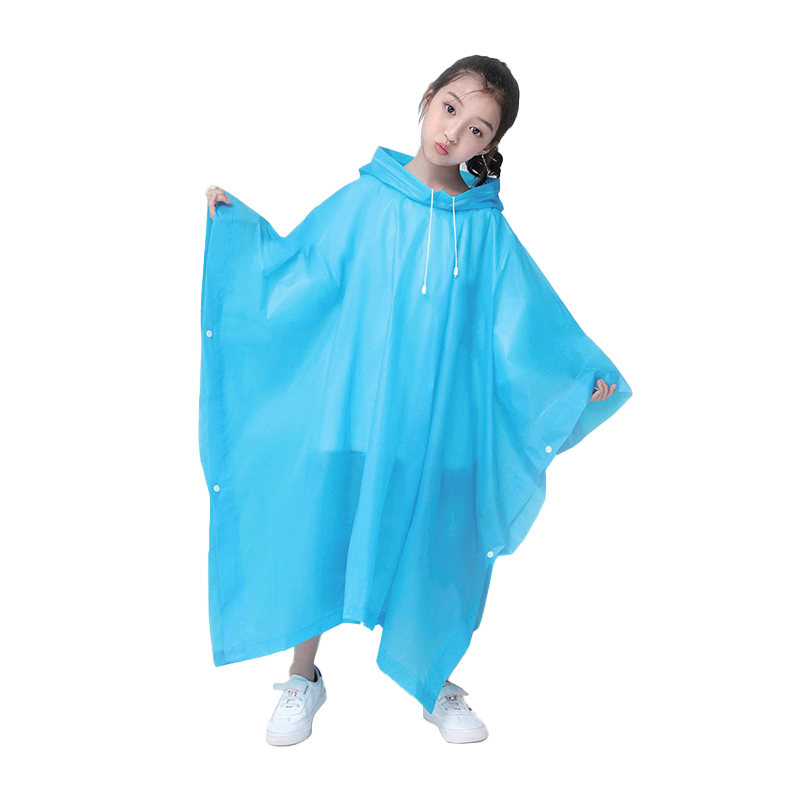
| Basic poncho | Torso + arms | Theme parks, festivals | 20–35 g |
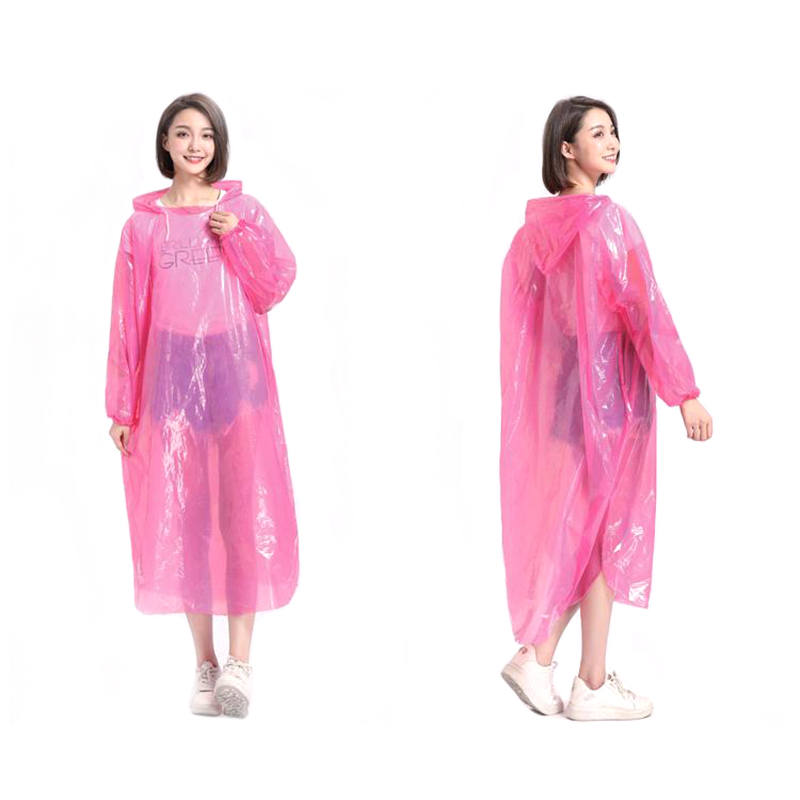
| Hooded pull-on coat | Full upper body with hood | Travel, commuting | 35–60 g |
| Full-length hooded coat | Upper + lower body | Outdoor work, hiking | 50–80 g |
| Emergency foil raincoat | Full body, thermal layer | Survival kits, marathons | 45–55 g |
| Branded event poncho | Torso + arms | Promotional giveaways | 25–40 g |
When and Why People Use Disposable Raincoats
The appeal of a disposable raincoat is convenience, not quality. They exist for situations where a reusable rain jacket would be burdensome, forgotten, or impractical. Common scenarios include:
- Theme parks and water rides: Visitors at parks like Disney World or Universal Studios frequently purchase disposable ponchos on-site for around $10 to $14 rather than carrying a raincoat from home.
- Outdoor music festivals: Multi-day events with uncertain weather prompt attendees to pack cheap disposable options rather than risk losing an expensive jacket in a crowd.
- International travel: Travelers heading to unpredictable climates often carry a folded disposable raincoat as a backup that adds virtually no weight or bulk to a bag.
- Marathons and endurance races: Runners wear disposable raincoats at the start line in cold or wet conditions, then shed them once the race begins and body temperature rises.
- Emergency preparedness kits: Lightweight disposable raincoats are standard inclusions in go-bags and emergency supply kits due to their minimal pack size and multi-function use.
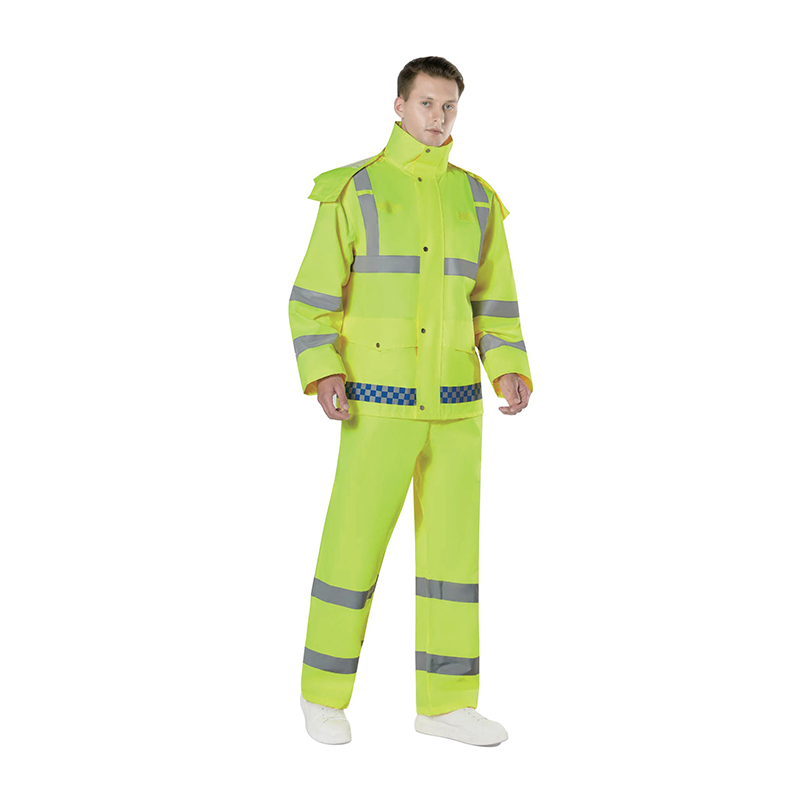
- Outdoor work and field operations: Industries like construction, agriculture, and event staffing use bulk disposable raincoats to equip temporary workers without the overhead of managing reusable gear.
Key Advantages of a Disposable Raincoat
Despite being low-cost items, disposable raincoats offer several practical advantages that explain their sustained global demand:
Extreme Portability
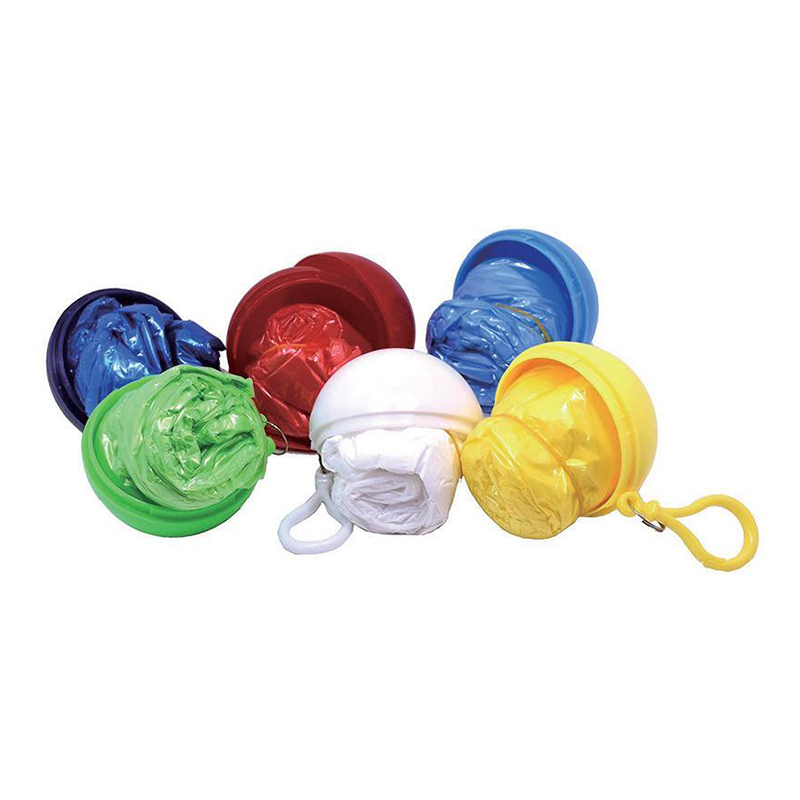
Most disposable raincoats fold into a packet roughly the size of a large smartphone. Many come individually wrapped in sealed pouches, making them easy to store in a backpack side pocket, car glove box, or travel kit for months until needed.
No Maintenance Required
Traditional waterproof jackets require periodic DWR (Durable Water Repellent) reapplication to maintain effectiveness. Disposable raincoats need no treatment, washing, or drying — they are used and replaced, which eliminates upkeep entirely.
Very Low Cost, Especially in Bulk
Individual retail units cost $1 to $3. Bulk purchases for events or organizations can bring the cost down to $0.30 to $0.80 per unit when ordering 100 or more. This makes them practical for event organizers, emergency managers, and hospitality businesses.
One-Size Flexibility
Most disposable raincoats are produced in a universal or oversized fit, making them suitable for a wide range of body types without the need for sizing. This is particularly useful when purchasing in bulk for an unknown group of people.
Limitations and Honest Drawbacks
Disposable raincoats are purpose-built for convenience, not performance. Understanding their limitations helps set appropriate expectations:
- No breathability: Standard PE and EVA plastic films trap body heat and moisture inside, making them uncomfortable during physical activity or in warm temperatures.
- Limited wind resistance: Thin plastic films can tear in strong winds, and the loose poncho style in particular provides poor coverage in gusty conditions.
- Short lifespan: Ultra-thin versions (0.01–0.02 mm) may tear at seams or stress points after just one use. They are not designed for durability.
- Environmental waste: Single-use plastic contributes to landfill and ocean pollution. A single PE raincoat takes hundreds of years to decompose in a landfill environment.
- Poor aesthetics: The crinkly plastic look and feel is functional but unappealing for everyday urban use or professional settings.
Eco-Friendly Alternatives to Standard Disposable Raincoats
Growing awareness of single-use plastic waste has driven the development of more sustainable alternatives that maintain the convenience factor while reducing environmental impact:
Biodegradable Disposable Raincoats
Some manufacturers now produce raincoats from plant-based bioplastics or certified compostable materials. These break down in 3 to 6 months under industrial composting conditions, compared to hundreds of years for conventional PE. They are more expensive — typically 2 to 4 times the price of standard options — but increasingly available for event organizers seeking sustainable procurement.
Reusable Compact Raincoats
Ultra-lightweight packable rain jackets made from ripstop nylon or recycled polyester can fold to nearly the size of a fist and weigh as little as 80 to 150 grams. Brands like Frogg Toggs or various travel gear companies offer options under $20 to $30 that can be washed and reused dozens of times, making them far more sustainable for frequent travelers.
Recycling Programs
Some large events — including certain major marathons and theme parks — have begun collecting used disposable ponchos after events for recycling into plastic film streams. Participating in these collection programs is currently the most practical way to reduce the environmental footprint of standard PE disposable raincoats.
How to Choose the Right Disposable Raincoat
With many options on the market, the right disposable raincoat depends on your specific situation. Use these criteria to guide your selection:
- Duration of use: For a single short event, the thinnest and cheapest option is sufficient. For multi-hour outdoor exposure, choose a thicker EVA or PEVA model with sealed seams.
- Coverage needed: A basic poncho covers the torso but leaves legs exposed. For heavy rain, choose a full-length hooded coat or pair a poncho with waterproof trousers.
- Pack size and weight: If you're carrying the raincoat as an emergency backup, prioritize models under 30 grams that fit in a small pouch.
- Quantity: For personal use, single-unit retail packs are fine. For group events, bulk packs of 50 to 100 units are cost-effective and reduce per-unit packaging waste.
- Environmental priority: If sustainability matters, look for products labeled compostable, made from recycled content, or from brands with take-back programs.