English
 Español
For most adults, a quality raincoat outperforms an umbrella in real-world conditions. It keeps both your body and hands free, works in wind, and provides consistent protection whether you're commuting, hiking, or running errands. Umbrellas win in specific situations — a dry office commute on a calm day or when you want to protect styled hair and formal clothing. But as an all-around wet-weather solution, an adult raincoat is more reliable, more versatile, and ultimately more practical. Here's the full breakdown so you can make the right call for your lifestyle.
Content
- 1 Head-to-Head: Raincoat vs. Umbrella Across Key Factors
- 2 Why Wind Is the Umbrella's Biggest Weakness
- 3 What Makes a Good Adult Raincoat Worth the Investment
- 4 Types of Adult Raincoats and Which Suits You Best
- 5 When the Umbrella Is Still the Better Choice
- 6 The Case for Owning Both — and When That Makes Sense
- 7 How to Choose the Right Adult Raincoat for Your Lifestyle
- 8 Common Mistakes Adults Make When Buying Rain Gear
Head-to-Head: Raincoat vs. Umbrella Across Key Factors
The comparison between a raincoat and an umbrella isn't simply about which one keeps you drier — it's about which one fits how you actually move through the world. The table below shows how each option performs across the factors that matter most in daily use.
| Factor | Adult Raincoat | Umbrella |
|---|---|---|
| Wind resistance | Excellent — unaffected by wind | Poor — inverts above 20–25 mph |
| Hands-free use | Yes — both hands free | No — occupies one hand |
| Lower body protection | Good (mid-thigh or longer styles) | Minimal — legs and feet exposed |
| Hair and face protection | Partial — hood needed | Good in calm conditions |
| Portability | Bulkier (packable styles exist) | Compact folding models available |
| Formal outfit compatibility | Limited | High — classic and professional |
| Active use (cycling, hiking) | Excellent | Impractical |
| Price range | $30–$400+ | $10–$200+ |
| Durability | 5–10+ years with care | 1–5 years (mechanisms break) |
Why Wind Is the Umbrella's Biggest Weakness
The most overlooked factor in the raincoat vs. umbrella debate is wind. Rain rarely falls straight down — it's almost always accompanied by some degree of horizontal movement. Studies on urban wind patterns show that city streets create wind tunnel effects that regularly produce gusts of 20–30 mph or higher, even during moderate rainstorms.
A standard umbrella inverts — the "inside-out" failure — at wind speeds as low as 20–25 mph. Even reinforced wind-resistant umbrellas, which use flexible fiberglass ribs and vented canopies, typically fail above 40–45 mph. An adult raincoat, by contrast, is completely unaffected by wind speed. Its protection doesn't degrade as conditions worsen — if anything, a well-designed raincoat with an adjustable hood provides better coverage precisely because it conforms to your body regardless of the wind direction.
For anyone commuting through city streets, coastal areas, or open landscapes, this makes the umbrella a genuinely unreliable tool during the kind of heavy weather that most demands protection.
What Makes a Good Adult Raincoat Worth the Investment
Not all raincoats are equal. The difference between a $35 plastic poncho and a $200 technical adult raincoat comes down to three performance characteristics: waterproofing, breathability, and construction quality. Understanding these helps you spend wisely rather than overspending on features you don't need.
Waterproofing: Ratings and What They Mean
Waterproofing in raincoats is measured in millimeters (mm) using a hydrostatic head test — essentially, how high a column of water the fabric can hold before leaking. Here's how to interpret ratings:
- 1,500–5,000 mm: Light rain protection. Suitable for brief showers or drizzle, not heavy or sustained rain.
- 5,000–10,000 mm: Moderate waterproofing. Handles most everyday rainstorms comfortably.
- 10,000–20,000 mm: High waterproofing. For heavy rain, sustained outdoor use, or activities like hiking and cycling in wet conditions.
- 20,000 mm+: Technical/extreme waterproofing. Used in mountaineering and severe weather garments.
For most urban adults, a raincoat rated at 10,000–15,000 mm with taped seams is the practical sweet spot — thorough protection without paying for extreme-performance specs you'll rarely use.
Breathability: Why It Matters More Than You Think
A raincoat that doesn't breathe leaves you wet from sweat even if it keeps rain out. Breathability is measured in grams of moisture vapor transmitted per square meter per 24 hours (g/m²/24h):
- Under 5,000 g/m²/24h: Low breathability — fine for standing still in rain, uncomfortable during physical activity.
- 5,000–15,000 g/m²/24h: Moderate breathability — suitable for walking and light activity.
- 15,000–25,000 g/m²/24h: High breathability — comfortable for cycling, hiking, and other sustained aerobic activity in rain.
Seam Taping and DWR Coating
Even a highly rated fabric can leak at the seams where panels are stitched together. Fully taped seams (where waterproof tape is applied to every seam) provide the highest protection. Critically taped seams (only shoulder and main seams taped) offer a middle ground at lower cost.
Most adult raincoats also feature a Durable Water Repellent (DWR) coating on the outer fabric face. This causes water to bead and roll off rather than soaking into the fabric. DWR does wear over time — typically after 10–20 wash cycles — but can be refreshed by tumble-drying on low heat or reapplying a DWR spray, which costs around $10–$15.
Types of Adult Raincoats and Which Suits You Best
Adult raincoats come in several distinct styles, each designed for a different set of conditions and uses. Choosing the wrong style is the most common reason people end up disappointed with their purchase.
Hardshell Raincoats
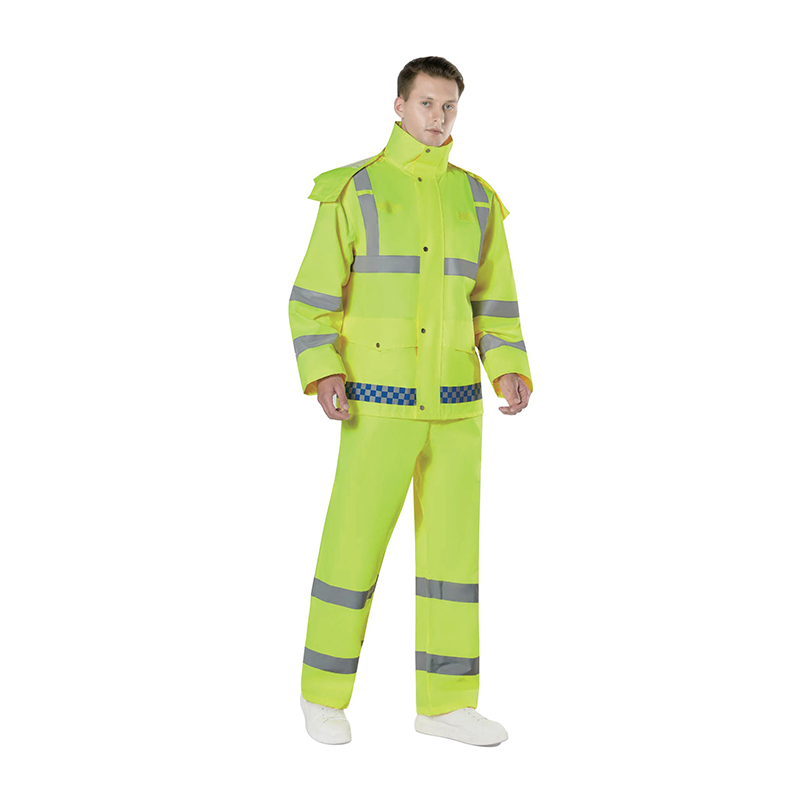
Made from laminated technical fabrics like Gore-Tex, eVent, or proprietary equivalents, hardshells offer the highest waterproofing and breathability in a lightweight package. They are the go-to choice for outdoor activities — hiking, trail running, cycling — where both maximum protection and moisture management matter. Price range: $100–$400+. Top brands include Arc'teryx, Patagonia, and The North Face.
Softshell Raincoats
Softer, more flexible, and often more comfortable than hardshells, softshells offer moderate water resistance (typically 5,000–10,000 mm) and excellent breathability. They work well for light rain and high-output activity but are not ideal for prolonged heavy downpours. Price range: $80–$250.
Packable Raincoats
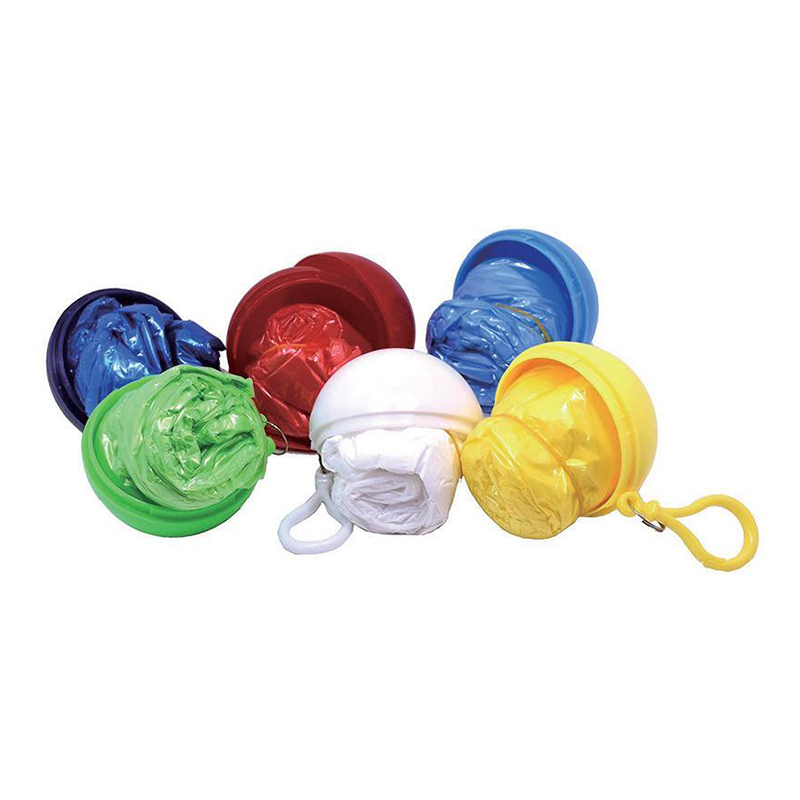
Designed to compress into their own pocket or a small stuff sack, packable raincoats weigh as little as 4–8 oz and take up roughly the space of a water bottle. They sacrifice some durability and insulation for extreme portability. These are ideal for travelers and urban commuters who want to carry rain protection without bulk. Price range: $50–$180.
Long Raincoats and Trench-Style Rain Jackets
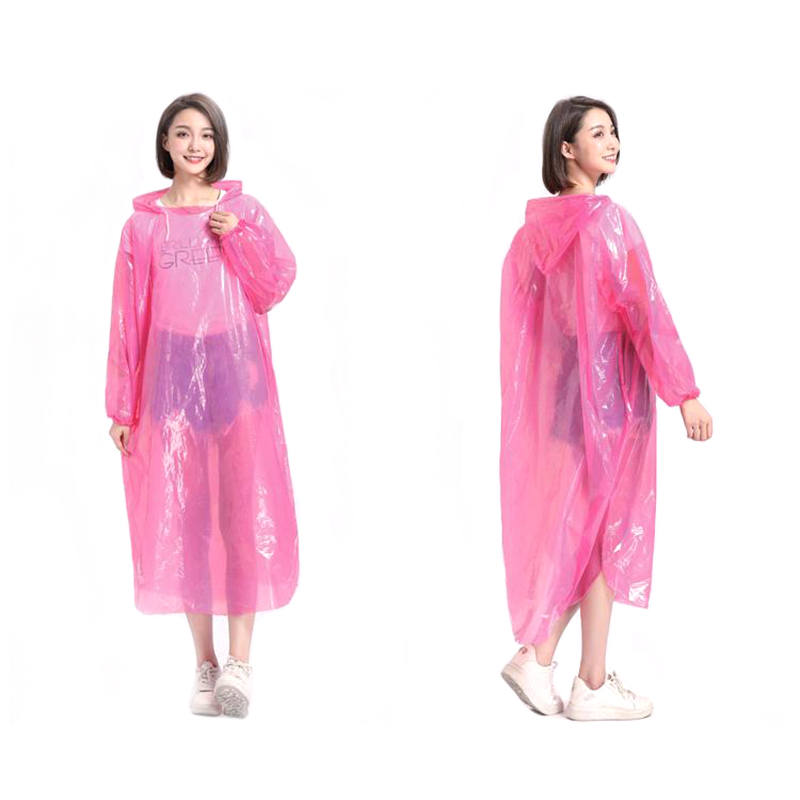
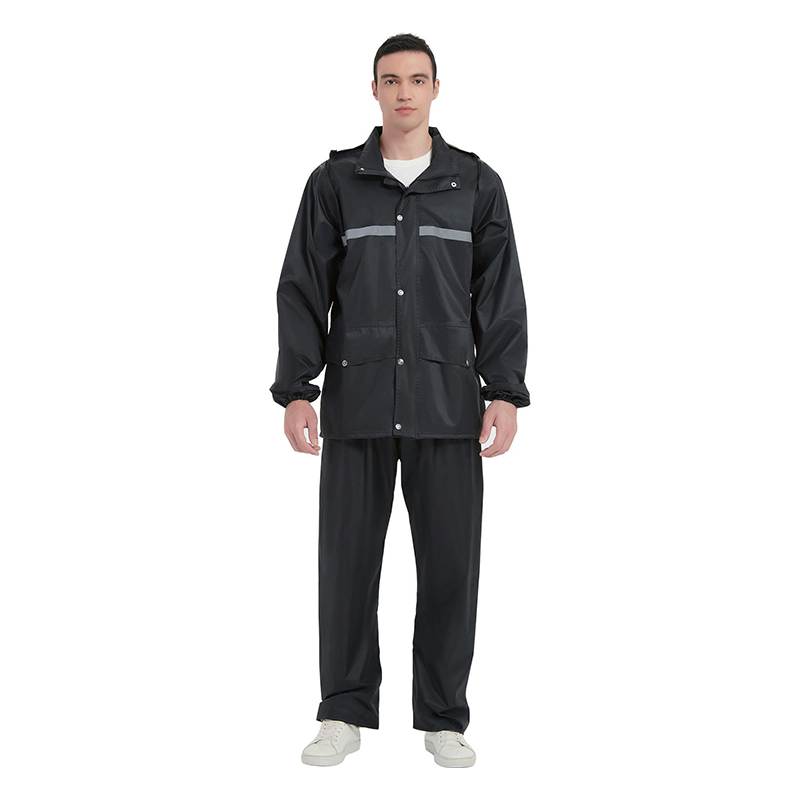
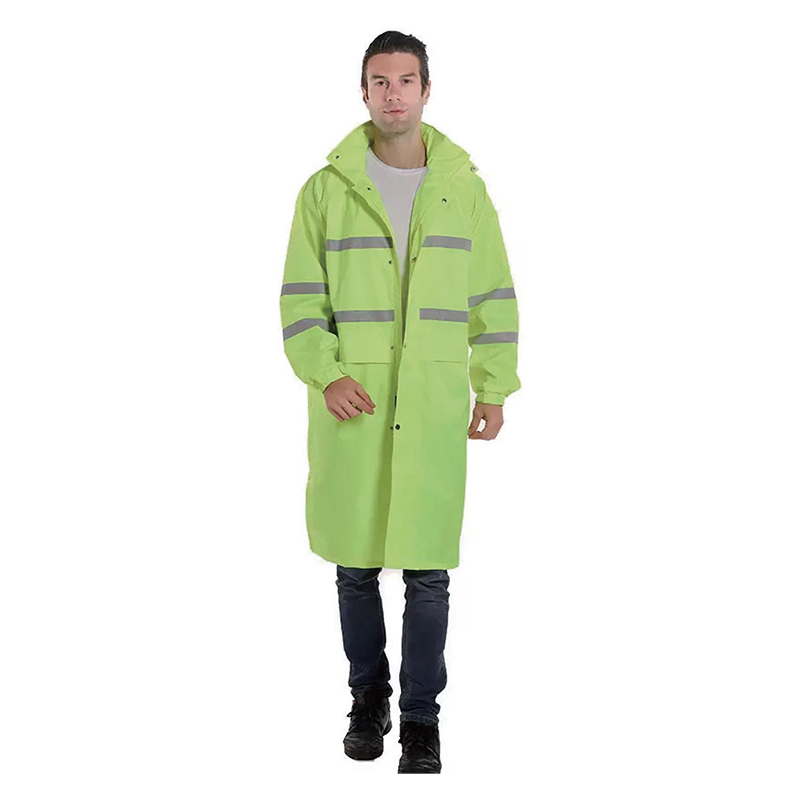
Extending to mid-thigh or below the knee, long adult raincoats provide significantly more coverage than a standard jacket-length shell. They protect trousers, skirts, and shoes far more effectively. Trench-coat-style rain jackets bridge the gap between technical performance and office-appropriate style, making them a popular choice for urban professionals. Price range: $80–$350.
Rain Ponchos
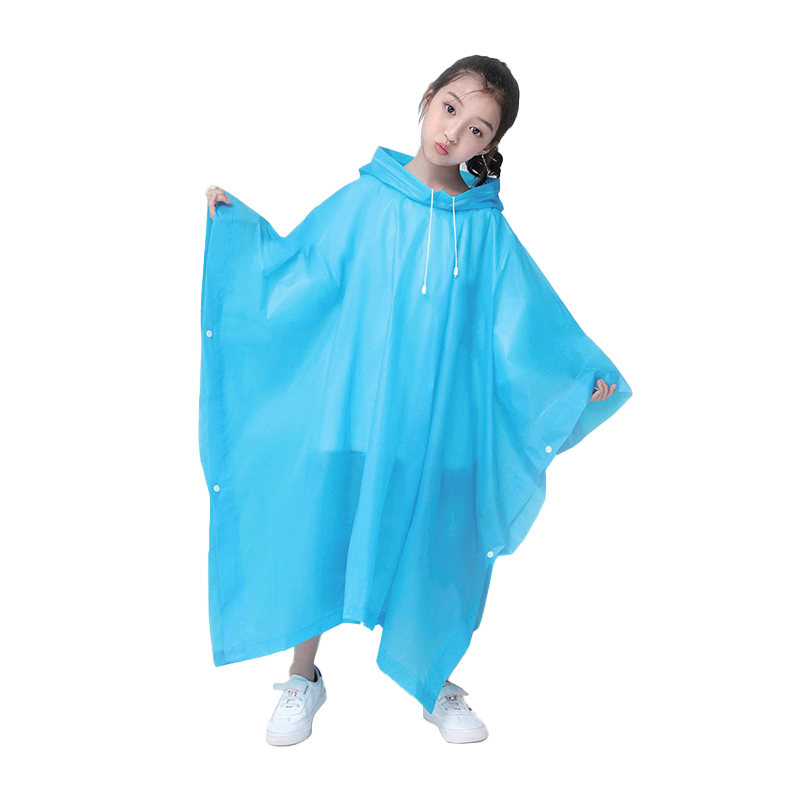
The most affordable and packable option, rain ponchos drape over the entire upper body and often cover a backpack as well. They offer excellent coverage for the price (often $10–$40) but lack structure, fit, and breathability. Suitable for hiking or emergency use but not everyday commuting.
When the Umbrella Is Still the Better Choice
Despite the raincoat's overall advantages, there are real-world situations where an umbrella is genuinely the smarter option. Dismissing it entirely would be inaccurate.
- Formal business or event attire: A tailored suit or evening dress is poorly served by a raincoat worn over it. A classic full-size umbrella — particularly a wood-handled model — is both functional and stylish in this context.
- Hair and makeup protection: An umbrella provides a dry canopy above the head without compressing or disturbing a styled hairstyle or makeup. A hood, even a well-designed one, cannot match this.
- Light, windless drizzle in an urban setting: When rain is minimal and calm, a compact folding umbrella is lighter and easier to deploy than pulling on a raincoat.
- Short distances between sheltered locations: Walking 50 meters from an office to a taxi in calm light rain is a scenario where a compact umbrella is perfectly adequate.
- Hot, humid climates: In tropical heat, wearing a waterproof raincoat may produce more sweat than the rain itself would create. An umbrella keeps you dry overhead while allowing airflow around the body.
The Case for Owning Both — and When That Makes Sense
For many adults, the raincoat vs. umbrella question has a simple answer: own both, and use them contextually. The combined cost of a quality packable adult raincoat ($80–$120) and a compact wind-resistant umbrella ($25–$60) is well under $200 — less than many single technical raincoats — and gives you the right tool for every situation.
Consider keeping a compact folding umbrella in your work bag for office days and calm urban commutes, while relying on a raincoat for weekends, travel, outdoor activities, and any day when the forecast includes wind. This approach eliminates the compromises of relying on either option alone.
If budget forces a single choice, however, the adult raincoat is the more reliable all-weather investment. It works in conditions where an umbrella fails, it protects more of your body, it frees your hands, and a quality model will outlast several cheap umbrellas combined.
How to Choose the Right Adult Raincoat for Your Lifestyle
Once you've decided that a raincoat is the right primary rain solution, narrowing down which type to buy takes a few straightforward steps:
- Define your primary use: Daily commuting calls for a packable or trench-style raincoat. Hiking and cycling call for a technical hardshell. Travel calls for a lightweight packable. Mixed use calls for a versatile mid-range hardshell.
- Check the waterproof rating: Aim for a minimum of 10,000 mm for reliable daily use. Look for fully taped seams if you'll be out in sustained heavy rain.
- Prioritize breathability if you're active: If you commute by bike or walk quickly, a breathability rating above 10,000 g/m²/24h will keep you more comfortable than a raincoat with only moderate breathability.
- Assess hood quality: A well-designed hood is what separates a great raincoat from one that leaves your face wet. Look for adjustable side cinches and a stiffened brim that stays over your face in wind.
- Consider length: If protecting trousers or skirts is important, choose a mid-thigh or longer style. If packability matters most, a hip-length jacket compresses more easily.
- Set a realistic budget: A $100–$180 adult raincoat from a reputable brand (Marmot, Columbia, Patagonia, Arc'teryx Norvan) will outperform any umbrella in the conditions that matter most and last 5–10 years with basic care.
Common Mistakes Adults Make When Buying Rain Gear
Whether you're buying a raincoat or investing in a quality umbrella, these are the errors that most often lead to disappointing purchases:
- Buying based on appearance alone: A raincoat that looks good but uses unrated or low-rated fabric will soak through in 20 minutes of real rain. Always check waterproof and breathability specifications.
- Choosing an undersized umbrella: A compact travel umbrella with a canopy diameter under 40 inches will leave your shoulders and sides wet in anything more than light rain. A full-size umbrella (42–60 inch canopy) is significantly more effective.
- Ignoring fit in a raincoat: A raincoat that fits too tightly over layers loses its weather-sealing effectiveness at the cuffs and hood. Size up to account for the clothing you'll wear underneath.
- Neglecting DWR maintenance: When water stops beading on a raincoat's surface and begins soaking in (called "wetting out"), breathability drops sharply. Tumble-dry on low or apply a DWR refresh spray every season.
- Buying a cheap umbrella repeatedly: Three $15 umbrellas over three years costs $45 and involves repeated frustration. A single $45–$65 wind-resistant umbrella with a fiberglass frame — such as those from Blunt or Repel — typically lasts 5+ years.