English
 Español
A two-lane resurfacing job that runs past sunset, a forklift driver crossing a loading dock before dawn, and a surveyor pushing through shoulder-high grass all depend on the same piece of equipment: an industrial reflective safety vest. It is usually the lowest-cost item in a PPE budget and the one most often bought wrong — ordered by color instead of by class, sized for a T-shirt instead of a winter jacket, and worn long after the reflective tape has stopped doing its job.
The short answer: buy the vest for its performance class and tape quality first, then match pockets, closures, and fabric to the task. The sections below explain how the two-part visibility system works, what the ANSI class thresholds require, and which specification details to lock down before placing a wholesale order.
Content
Why a Safety Vest Is Engineered, Not Just Colored
An industrial reflective safety vest works through two separate mechanisms. The fluorescent background fabric — usually lime-yellow or orange-red — absorbs ultraviolet light and re-emits it as visible glow, which is why the vest looks almost lit from within at dusk. That fluorescence does nothing in darkness, though. Nighttime visibility comes from the retroreflective tape, whose glass beads or microprisms return light almost directly toward its source, so a driver's headlights make the wearer flash like a signal.
Both components degrade with use. Fluorescent dyes fade under UV exposure, and reflective tape loses return brightness through abrasion and laundering. This is why a vest can still look bright to its wearer yet fail the purpose of the standard: retroreflection is measured from the driver's angle, not the worker's. Treat vests as consumables with a defined inspection and replacement cycle, not as permanent gear.
Tape placement matters as much as tape quality. A horizontal band around the torso plus reflective material over both shoulders creates 360-degree visibility — the configuration the standards are built around. A vest with tape only on the front panel leaves blind spots at intersections and around reversing vehicles.
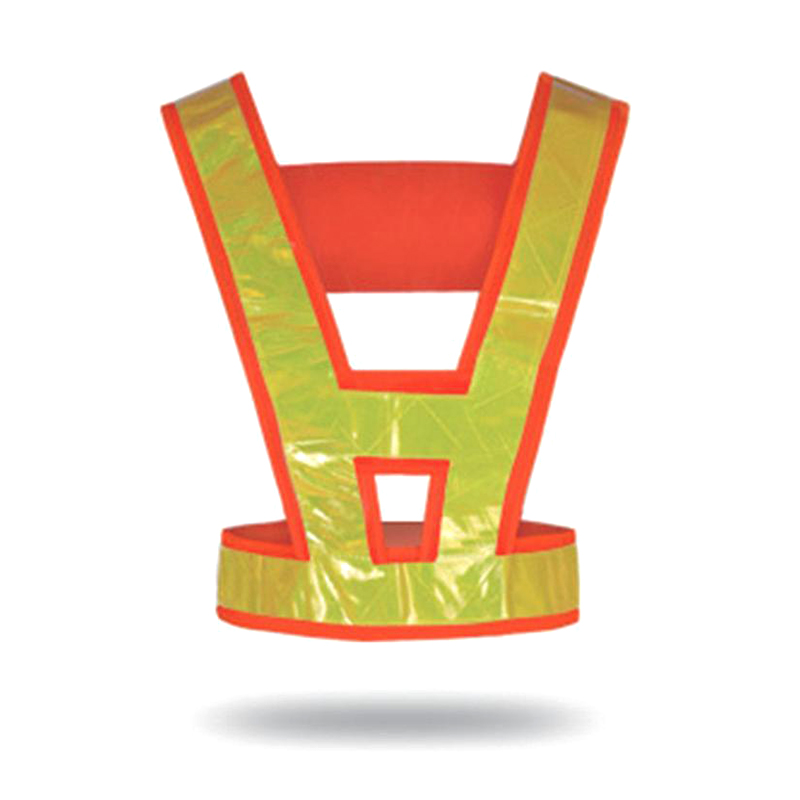 Highlight Reflective Strap Vest with 360-Degree Tape CoverageWith reflective tape covering front, back, sides, and shoulders, this lightweight adjustable vest delivers the 360-degree visibility configuration the standards emphasize for low-light roadside and pedestrian safety.View Product →
ANSI/ISEA 107 Classes in Plain Numbers
Under the ANSI/ISEA 107 standard used across North America, vests are graded into three performance classes defined by minimum areas of background material and retroreflective material. Recent editions add type designations — Type O for off-road work, Type R for roadway tasks, and Type P for public safety — but the class numbers below remain the quickest screening tool for buyers.
| Performance class | Minimum background fabric | Minimum retroreflective material | Typical use |
|---|---|---|---|
| Class 1 | 217 sq in | 155 sq in | Warehouse floors, parking attendants, workers separated from traffic |
| Class 2 | 775 sq in | 201 sq in | Roadway right-of-way, delivery routes, airports, most construction sites |
| Class 3 | 1,240 sq in | 310 sq in | Night highway work, flaggers, severe weather, high-speed traffic zones |
Class 3 does not simply mean a bigger vest. The garment must display more reflective material on the arms and torso, which is why many programs reach Class 3 by pairing a Class 2 vest with Class E rated pants instead of switching to a full Class 3 jacket. European buyers work to EN ISO 20471, which follows a similar three-class logic, so exporters can usually map one specification to the other without redesigning the garment. For the full type-and-class breakdown, our ANSI safety vest class standards guide walks through each designation and when it applies.
Tape, Fabric, and Closures: Details That Change Real Performance
Reflective tape types
Economy vests use glass bead tape, which returns light adequately for daytime and low-speed environments and keeps unit costs down. Microprismatic tape returns noticeably more light, performs better in rain and at sharp viewing angles, and survives more wash cycles — the usual choice for night highway work. Most industrial designs use 2-inch (50 mm) tape, and contrasting trim between the background fabric and the silver band keeps the human silhouette readable when the vest is dusty or wet.
Mesh or solid fabric
Polyester mesh breathes well in hot climates and costs less, which makes it the default for large summer orders. Solid woven or knitted polyester is more abrasion-resistant, holds pocket panels and printed logos better, and layers more predictably. Ask suppliers to state fabric weight in grams per square meter; a vest described only as polyester can vary widely between orders, and that variation shows up in service life.
Closures and breakaway designs
Zippers survive industrial laundering and open easily over base layers; hook-and-loop closures are cheaper and adjustable but collect lint and wear out faster. Near conveyors, rotating tools, or moving machinery, a multi-point breakaway vest is the safer specification because it pulls apart when caught instead of dragging the wearer. For crews carrying radios, measuring devices, and markers, pocket layout becomes part of the safety decision: a four-bar multi-pocket zipper vest distributes weight across the chest and keeps the tape bands unobstructed by bulging pockets.
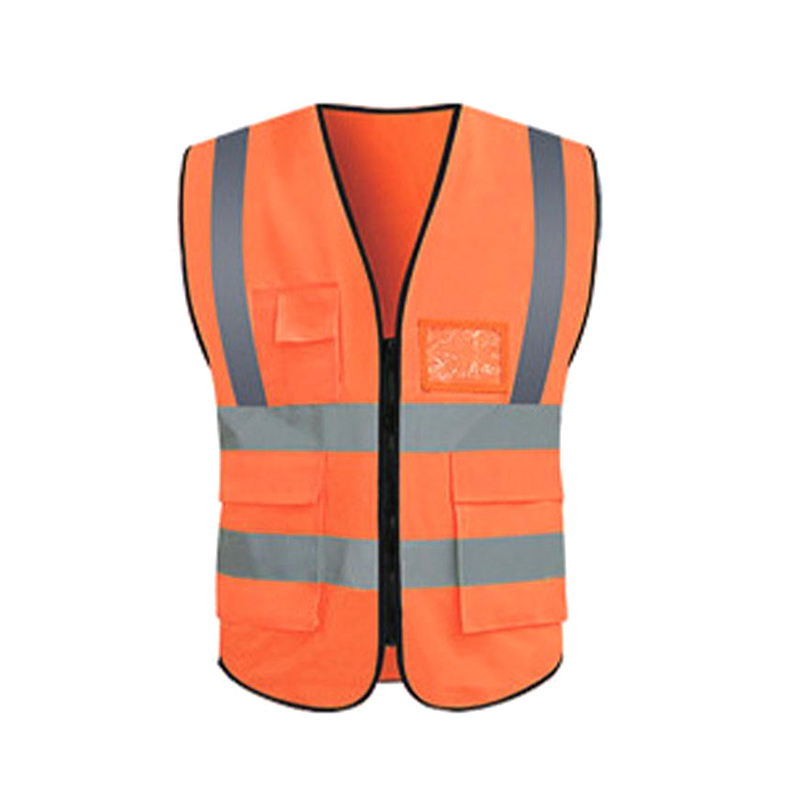 Four-Bar Multi-Pocket Zipper Reflective Safety VestFour reflective strips plus secure zipper closure keep tape bands unobstructed, while multiple pockets carry radios and tools — ideal for surveying, utility, and industrial crews carrying equipment.View Product →
Matching the Vest to the Work Site
Specification starts with the environment, not the catalog. Highway resurfacing and night utility work point to Class 2 as the floor and Class 3 wherever traffic moves fast or lighting is poor. Municipal sanitation crews face their heaviest traffic exposure during dawn collection rounds, which is why durable, logo-friendly sanitation worker uniform vests are specified as daily-duty wear rather than general stock. Warehouse and logistics teams usually sit between Class 1 and Class 2 depending on forklift traffic and dock lighting, while surveying crews justify multi-pocket styles so instruments stop riding in bare hands.
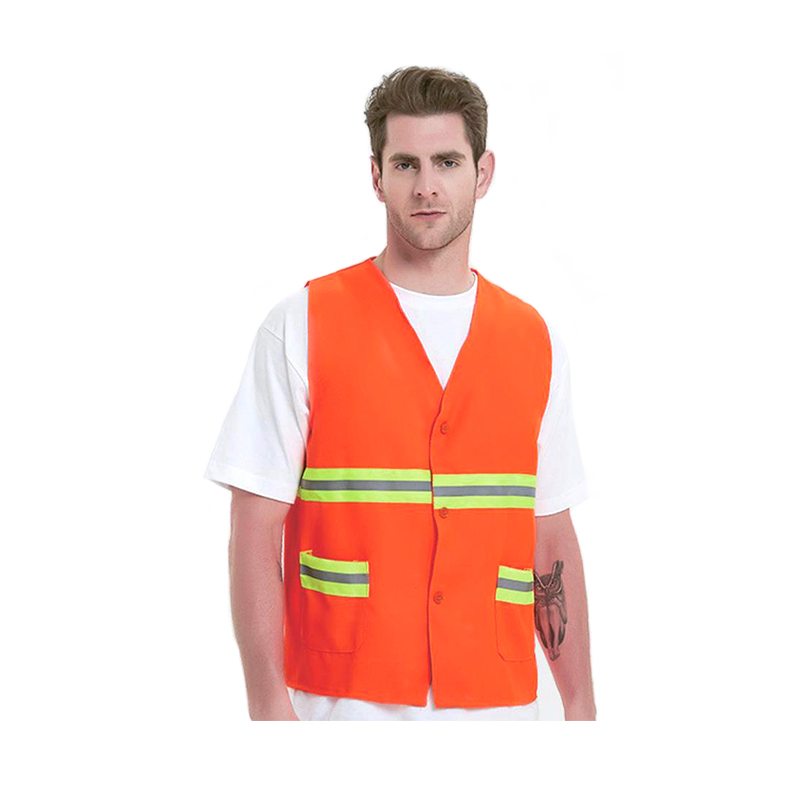 Environmental Sanitation Worker Uniform Hi-Vis VestBuilt for dawn collection rounds in heavy traffic, this durable, breathable vest offers reflective strips, multiple pockets, and a professional fit suited to daily-duty sanitation work.View Product →
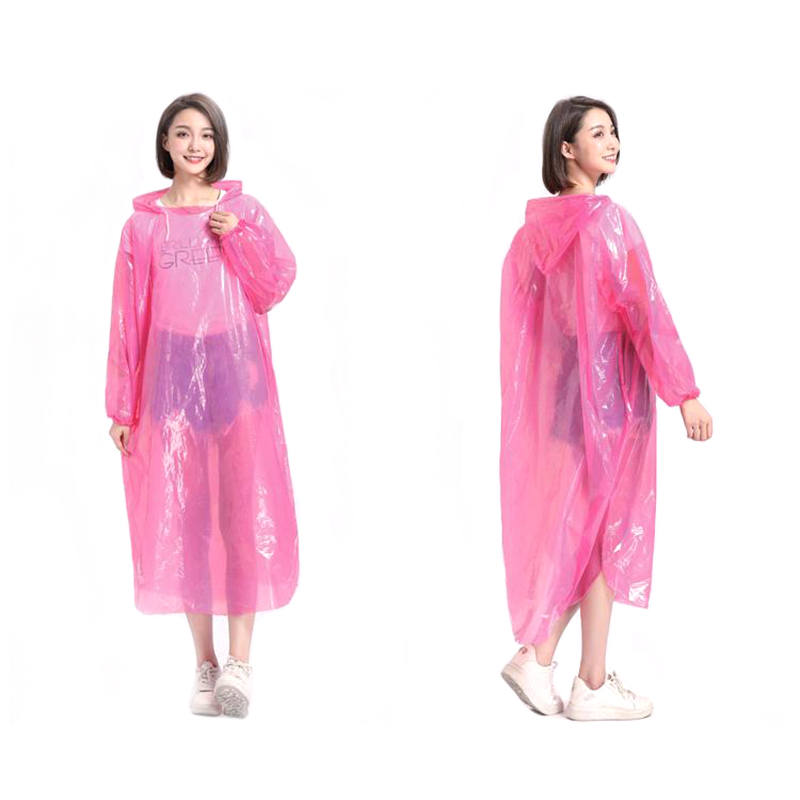
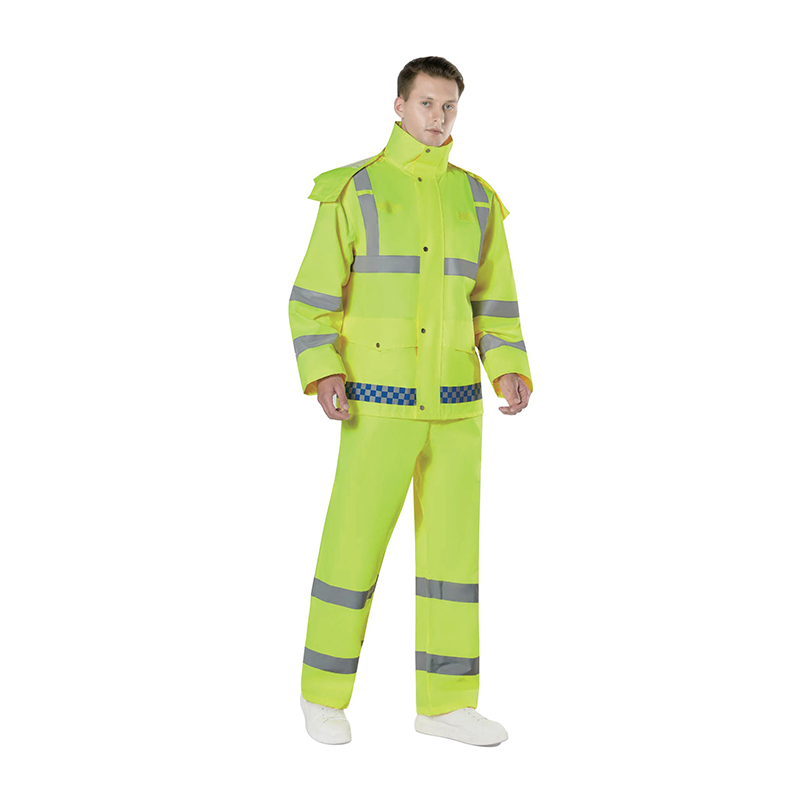
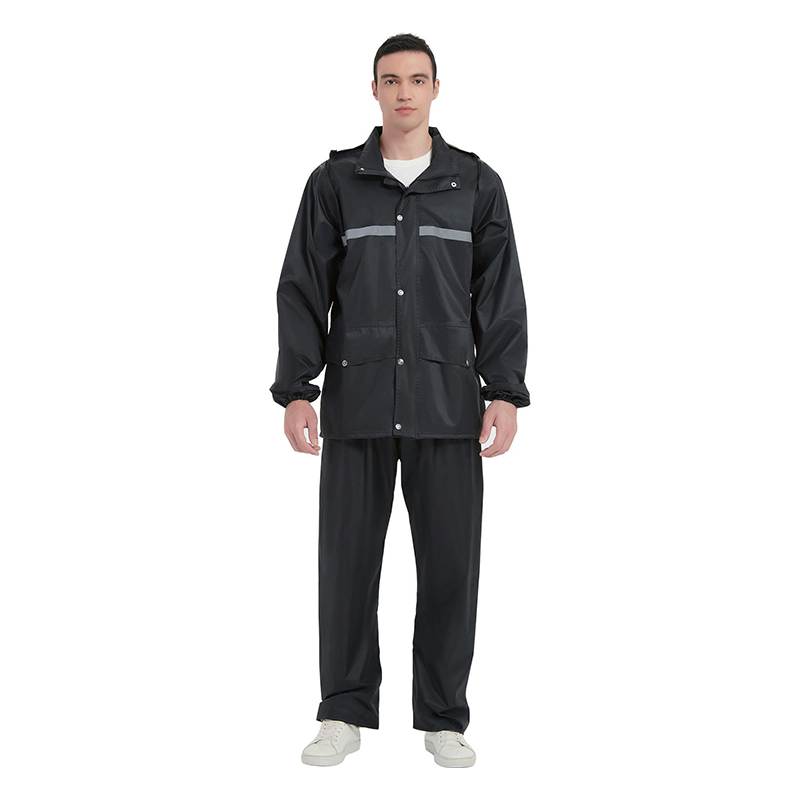
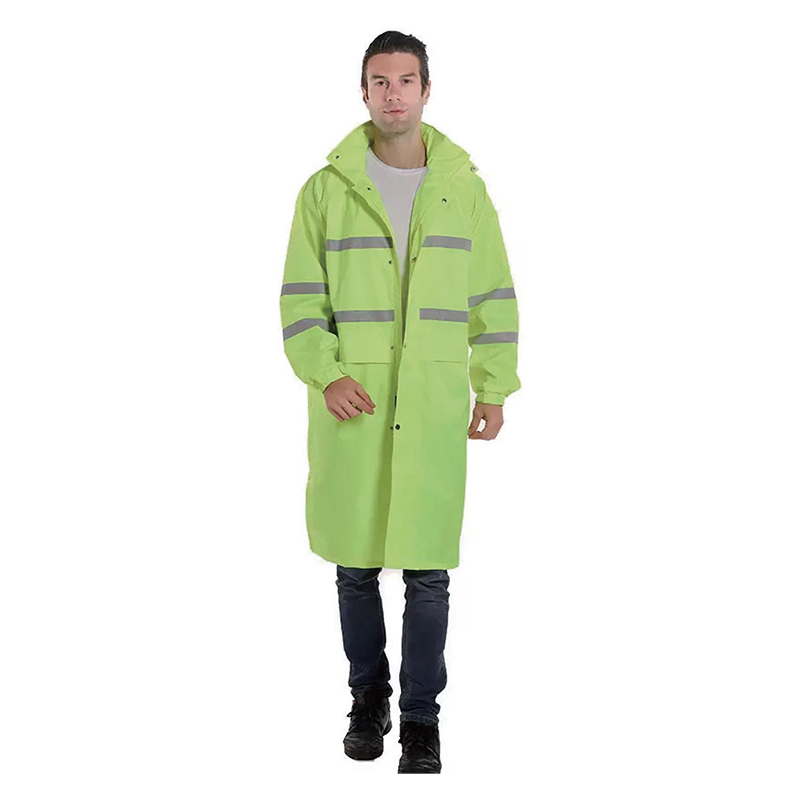
Wet weather changes the calculation. A hi-vis vest worn over a dark rain jacket leaves the shoulders and arms dark — exactly where drivers look. Rainwear with reflective lines built into the garment keeps the visibility envelope intact while the worker stays dry, and it removes the fit problem of stacking a vest over a bulky coat.
Sizing, Care, and When to Retire a Vest
A vest sized for summer base layers will not close over a winter jacket, and a stretched vest hides tape area instead of displaying it. Order the size range against your heaviest seasonal layering, and prefer adjustable side closures where the workforce is mixed. For care, close all closures before washing, use mild detergent without bleach, and hang dry; high dryer heat is the fastest way to age both the fluorescent dye and the reflective coating. As a benchmark, economy glass bead tapes are often rated for around 25 wash cycles, while premium prismatic tapes are rated higher — ask for the tape rating before promising a replacement schedule to a client.
Retire a vest when any of the following appears: the background fabric no longer matches a new sample in daylight, the tape surface shows cracking or dull gray patches, the tape no longer flashes when headlights hit it from about 150 meters, or a seam has failed along a tape line. A documented inspection every quarter is a reasonable baseline for outdoor crews, and more frequent for garments washed weekly.
What to Confirm Before Placing a Wholesale Order
Most vest problems trace back to specifications that were never written down. A short checklist keeps a bulk order predictable:
- State the exact class and standard edition on the purchase order, for example ANSI/ISEA 107 Class 2.
- Specify tape type, fabric weight in gsm, closure type, and whether contrasting trim is required.
- Confirm the size run against your workforce, including the layering allowance for winter orders.
- Agree on logo printing method and placement, and confirm printing never covers reflective tape.
- Request a pre-production sample and, for large tenders, a wash-cycle test report.
- Fix inspection points and packaging details — individual polybags, carton counts, label language — before production starts.
Working directly with a factory simplifies most of these items. As a manufacturer of reflective safety vests and rain protection with 10 production lines, more than 200 operators, dedicated sewing and QC teams, and port access near Shanghai and Ningbo, we handle custom sizes, logo printing, and export documentation for distributor and project orders in the US and other markets. If you are comparing suppliers, contact our export team to discuss specifications, samples, and lead times.
An industrial reflective safety vest earns its place on site only when it matches the traffic speed, lighting, and task load around the wearer. Fix the class and tape quality first, add the pockets and closures the job actually needs, and hold your supplier to written specifications — that sequence keeps crews visible and keeps bulk orders from turning into returns.