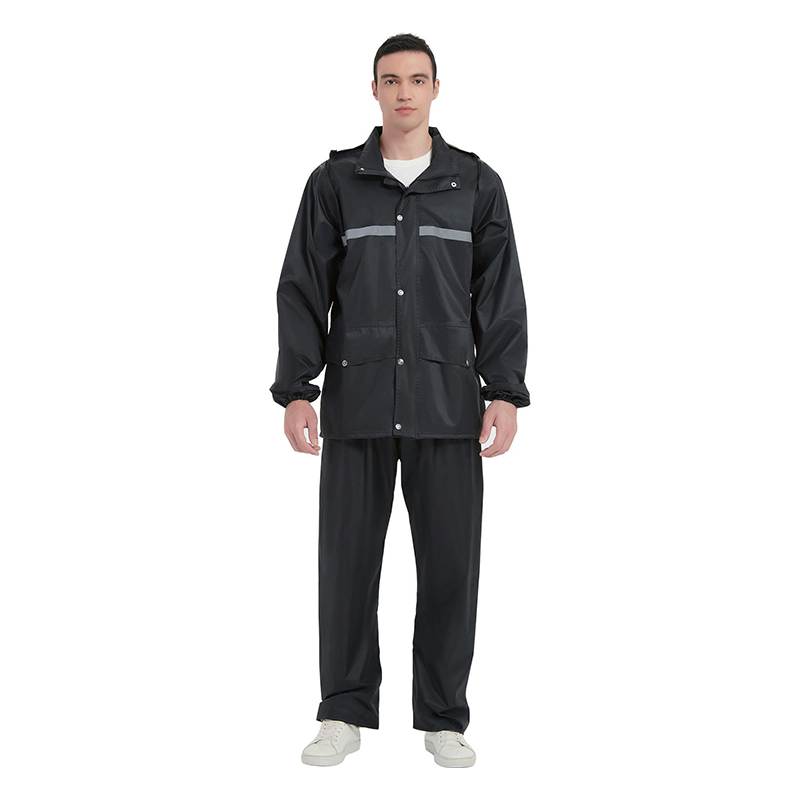
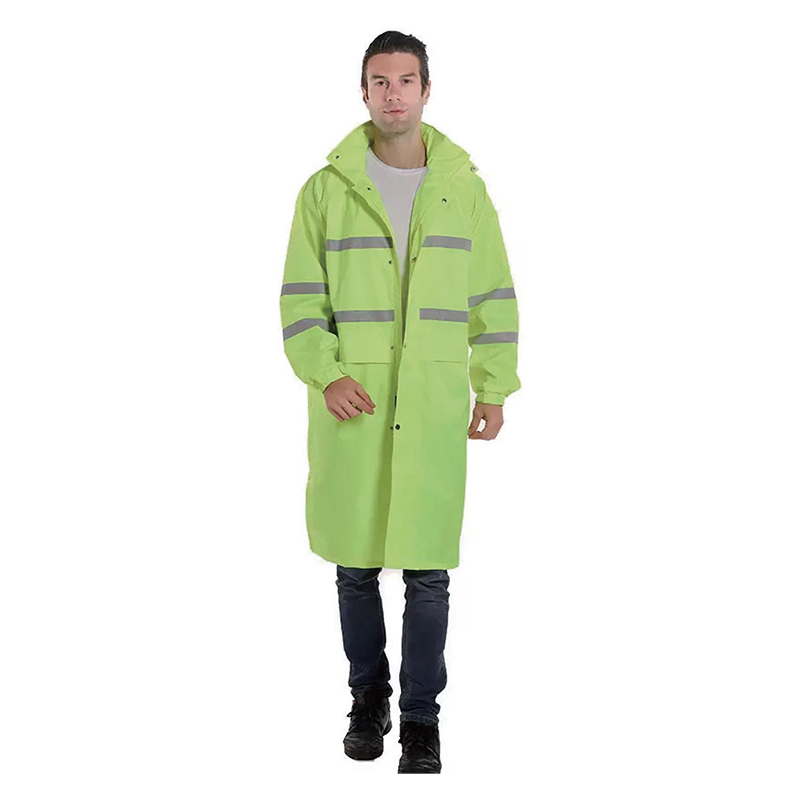
English
 Español
Content
- 1 How to Choose Raincoat Size: The Direct Answer
- 2 How to Measure Your Body Correctly for a Raincoat
- 3 Adult Raincoat Size Chart: Standard Measurements by Size
- 4 Why Raincoat Sizing Differs from Regular Clothing — and What That Means for You
- 5 How Intended Use Affects the Size You Should Choose
- 6 The Layering Rule: How to Account for What You Wear Underneath
- 7 How to Check Fit When Trying On an Adult Raincoat
- 8 Common Raincoat Sizing Mistakes and How to Avoid Them
- 9 Quick Reference: Adult Raincoat Size Decision Guide
How to Choose Raincoat Size: The Direct Answer
To choose the right adult raincoat size, take three body measurements — chest, waist, and hip — then compare them against the specific brand's size chart, sizing up by one size if you plan to layer. Do not rely on your usual clothing size alone: raincoat sizing varies significantly between brands and countries, and the fit requirements for outerwear are fundamentally different from a fitted shirt or jacket.
As a practical rule: if your measurements fall between two sizes, always choose the larger size for a raincoat. A slightly roomy fit allows freedom of movement, accommodates mid-layers in cold weather, and prevents the waterproof membrane from being stretched — which can compromise seam integrity over time. The sections below walk through every step of the process in detail.
How to Measure Your Body Correctly for a Raincoat
Accurate measurements are the foundation of choosing the right raincoat size. Use a flexible measuring tape, measure in your underwear or a thin base layer, and keep the tape snug but not tight. Have someone assist you if possible — self-measurement can introduce errors of 1–2 inches, enough to push you into the wrong size bracket.
The Four Key Measurements
- Chest / Bust: Wrap the tape around the fullest part of your chest, under your armpits and across your shoulder blades. Keep it parallel to the floor. This is the most critical measurement for raincoat fit, as the chest determines whether you can move your arms freely and whether a front zip closes without pulling.
- Waist: Measure around your natural waist — the narrowest point of your torso, typically 1–2 inches above your navel. For raincoats with an adjustable hem or drawcord waist, this measurement affects how well you can seal out wind and rain.
- Hip: Stand with feet together and measure around the fullest part of your hips and seat, typically 7–9 inches below your natural waist. Hip measurement is especially important for longer adult raincoats (3/4 length or full-length) where you need to move and sit comfortably.
- Torso / Height: Many brands include height ranges in their size charts. Your height affects sleeve length and overall coat length. If you are taller than the upper end of a size range's height bracket, consider the brand's "Tall" or "Long" option if available.
Measurement Tips to Avoid Common Errors
- Measure twice and record both results; use the larger number when they differ.
- Do not pull the tape tight — you should be able to slip one finger underneath comfortably.
- Measure wearing the thickest base layer or mid-layer you plan to wear under the raincoat — this accounts for real-world layering volume.
- For chest measurement, breathe in fully before reading the tape — this captures your maximum chest expansion.
Adult Raincoat Size Chart: Standard Measurements by Size
The table below shows generally accepted adult raincoat size ranges for both men and women. Note that these are body measurements, not garment measurements — always compare your body measurements directly to the brand's chart rather than measuring the coat itself.
Men's Adult Raincoat Size Chart
| Size | Chest (in) | Waist (in) | Hip (in) | Height (ft/in) |
|---|---|---|---|---|
| XS | 32–34 | 26–28 | 33–35 | 5'4"–5'7" |
| S | 35–37 | 29–31 | 36–38 | 5'6"–5'9" |
| M | 38–40 | 32–34 | 39–41 | 5'8"–5'11" |
| L | 41–43 | 35–37 | 42–44 | 5'10"–6'1" |
| XL | 44–46 | 38–40 | 45–47 | 5'11"–6'2" |
| XXL | 47–50 | 41–44 | 48–51 | 6'0"–6'3" |
Women's Adult Raincoat Size Chart
| Size | Bust (in) | Waist (in) | Hip (in) | Height (ft/in) |
|---|---|---|---|---|
| XS (0–2) | 31–33 | 24–26 | 34–36 | 5'2"–5'5" |
| S (4–6) | 34–36 | 27–29 | 37–39 | 5'3"–5'6" |
| M (8–10) | 37–39 | 30–32 | 40–42 | 5'4"–5'7" |
| L (12–14) | 40–42 | 33–35 | 43–45 | 5'5"–5'8" |
| XL (16–18) | 43–45 | 36–38 | 46–48 | 5'6"–5'9" |
| XXL (20–22) | 46–49 | 39–42 | 49–52 | 5'5"–5'8" |
Why Raincoat Sizing Differs from Regular Clothing — and What That Means for You
Adult raincoats are designed as outerwear, meaning they are cut with additional ease built in — but the amount of ease varies widely by brand, style, and intended activity. Understanding these design choices prevents the most common sizing mistake: buying a raincoat in your regular shirt or jacket size and finding it either too restrictive or unflatteringly large.
Fit Categories and Their Size Implications
- Athletic / Slim Fit: Minimal ease — typically 2–3 inches of chest ease above your body measurement. Best for running, cycling, or light hiking where flapping fabric creates drag. If you layer under this style, size up by one full size.
- Regular / Classic Fit: The most common adult raincoat cut, with 3–5 inches of chest ease. Accommodates a thin fleece or mid-layer without sizing up. This is the baseline for most general-purpose raincoat size charts.
- Relaxed / Oversized Fit: 6 or more inches of chest ease, designed for maximum comfort or fashion-forward styling. These coats intentionally run large — check user reviews for actual fit feedback before ordering online.
- Technical / Alpine Fit: Used in mountaineering or hardshell jackets, this cut is slightly slimmer than regular fit but with articulated patterning at the elbows and shoulders for full range of motion. Arm movement should be tested — reach forward with both arms and check that the back hem doesn't rise more than 2 inches.
International Size Conversion: US, UK, EU, and Asian Sizing
If you are buying an adult raincoat from an international brand or online retailer, size labeling can differ significantly. Asian sizing (particularly from Chinese and Japanese brands) typically runs 1–2 sizes smaller than US or EU equivalents. Always locate and check the brand's own measurement chart — do not convert sizes by label alone.
| US Size | UK Size | EU Size | Asian Size (approx.) |
|---|---|---|---|
| XS | XS | XS / 44 | S–M |
| S | S | S / 46 | M–L |
| M | M | M / 48–50 | L–XL |
| L | L | L / 52–54 | XL–XXL |
| XL | XL | XL / 56–58 | XXL–XXXL |
How Intended Use Affects the Size You Should Choose
The activity you plan to use an adult raincoat for is just as important as your measurements. A raincoat sized correctly for a city commute may be the wrong size for a multi-day hiking trip — even if the person's body hasn't changed.
Everyday Urban Use
For commuting and daily wear, choose your size based on measurements in a regular shirt or thin sweater — no need to account for heavy mid-layers. A regular or classic fit in your standard size will typically work well. Prioritize freedom of movement through the shoulders, as you'll be carrying bags and moving through crowds.
Outdoor and Hiking Use
For hiking or backpacking, measure while wearing your heaviest intended mid-layer — typically a fleece jacket or insulated vest. If your layered chest measurement is 2 inches or more above the lower boundary of your standard size, size up. Additionally, check that the hem length covers your lower back when your arms are raised and you're bending forward — a common gap point with technical rain shells that are sized too small.
Cycling and Running
Sport-specific adult raincoats are designed with extended back hems, drop-tail cuts, or aerodynamic fits. For cycling raincoats, you may actually want to size down from your normal size to eliminate fabric flutter, while for running jackets, your standard size or even a size down is typically correct. Check the brand's sport-specific fit notes — many running jacket brands size their products to be worn with nothing underneath.
Travel and Packable Raincoats
Ultra-lightweight packable raincoats are often cut slimmer to reduce packed size and weight. When in doubt, size up by one size on packable styles — the lightweight materials also tend to have less stretch than standard nylon or polyester shells, leaving less room for error.
The Layering Rule: How to Account for What You Wear Underneath
Layering is one of the most frequently overlooked factors when choosing raincoat size. A raincoat worn over a T-shirt in summer is functionally a different garment than the same coat worn over a fleece jacket in autumn — and sizing that works for one scenario often fails in the other.
Use the following guide to determine how many sizes to add based on your typical layering system:
| Under-Layer | Additional Chest Volume | Sizing Recommendation |
|---|---|---|
| T-shirt / base layer only | ~0–0.5 in | Your standard measured size |
| Light long-sleeve shirt or thin hoodie | ~0.5–1 in | Standard size or size up if near upper boundary |
| Mid-weight fleece or sweatshirt | ~1–2 in | Size up 1 |
| Heavy fleece or light insulated jacket | ~2–3 in | Size up 1–2 |
| Heavy insulated down jacket | ~3–5 in | Size up 2 |
The safest method is to measure your chest while wearing your heaviest intended under-layer and use that measurement to look up your size on the brand's chart, rather than estimating. This eliminates the guesswork and is the approach recommended by most major outdoor gear brands.
How to Check Fit When Trying On an Adult Raincoat
If you're buying in person or have the option to try before you commit, run through this physical fit checklist to confirm your size choice is correct:
- Shoulder seam position: The seam should sit at the edge of your shoulder, not drooping onto your upper arm and not pulled inward. A shoulder seam that falls more than 1 inch off the shoulder point indicates the coat is too large.
- Chest zip or button closure: Close all fastenings. There should be no pulling, puckering, or visible strain across the chest. You should be able to slip a flat hand inside without forcing.
- Arm raise test: Raise both arms straight forward and overhead. The back hem should not rise more than 2 inches, and the sleeves should not pull away from your wrists. If the back rides up significantly, the body is too small or the sleeves too short.
- Cross-body reach: Reach across your chest with one arm as if fastening a seatbelt. You should have full range of motion without the coat pulling away from the opposite shoulder.
- Sleeve length: With arms at your sides, the sleeve cuff should reach the base of your thumb. This ensures your wrists remain covered when raising your arms — a critical gap point in wet conditions.
- Hood fit (if applicable): Put the hood up and turn your head left and right. The hood should follow your head movement without the brim blocking your peripheral vision. An ill-fitting hood is a leading complaint in adult raincoat reviews and is almost always a sizing issue rather than a design flaw.
- Sit test: Sit down while wearing the coat. For longer styles, check that the coat doesn't bunch excessively at the waist or restrict knee movement. For any length, check that the collar doesn't ride up uncomfortably when you're seated.
Common Raincoat Sizing Mistakes and How to Avoid Them
Even with measurements in hand, certain patterns of error come up repeatedly when adults choose raincoat sizes. Here are the most common, and the fix for each:
Mistake 1: Using Shirt Size Instead of Measured Chest Size
Clothing brands vary their sizing by up to 2–3 inches of chest measurement within the same labeled size. A person who wears a medium in one brand's shirts may measure 39 inches at the chest — which lands in "Large" on many raincoat charts. Always measure; never assume.
Mistake 2: Ignoring Torso Length
People with long torsos frequently find that a correctly-sized raincoat (by chest) has a hem that falls too short, leaving a gap between the coat and trousers in rain. If you're above average height for your size range, specifically look for "Long," "Tall," or "Extended" versions, or choose a style with a longer cut from the start.
Mistake 3: Buying Too Small to Look Slimmer
A raincoat that is too tight across the chest or back places mechanical stress on the seam tape and waterproof membrane every time you move. Over time — and sometimes immediately — this can cause delamination of the DWR (durable water-repellent) coating and seam failure. A properly sized coat that moves with the body actually performs better and lasts longer than one that's too tight.
Mistake 4: Not Checking Return Policies Before Buying Online
When buying an adult raincoat online, always confirm the return and exchange policy before completing the purchase. Many shoppers buy one size and a size up simultaneously to compare fit at home, then return the one that doesn't work. This is common practice for outerwear shopping and most reputable retailers support it. It removes the uncertainty of online sizing entirely.
Quick Reference: Adult Raincoat Size Decision Guide
Use this step-by-step decision process every time you need to choose a raincoat size, regardless of brand or style:
- Measure your chest, waist, and hip in inches while wearing your planned under-layer.
- Find the brand's official size chart — not a generic conversion tool — and locate which size bracket your chest measurement falls in. Chest measurement takes priority over waist and hip.
- If your chest measurement is within 1 inch of the upper boundary of a size, move up to the next size.
- Check the height range listed for that size. If you're taller than the upper end, look for a Tall or Long option.
- Identify the coat's fit category (slim, regular, relaxed, technical) and adjust: for slim-fit styles, go up one size if you're layering; for relaxed-fit styles, stay with your measured size or go down if between sizes.
- Read recent customer reviews specifically mentioning sizing — filter for reviewers with similar chest measurements for the most relevant feedback.
- If buying online, confirm the return/exchange policy before ordering, and consider ordering two sizes to compare at home.
Following this process consistently removes the main sources of sizing error and ensures your adult raincoat performs as designed — keeping you dry, allowing free movement, and lasting for years of reliable use.