English
 Español
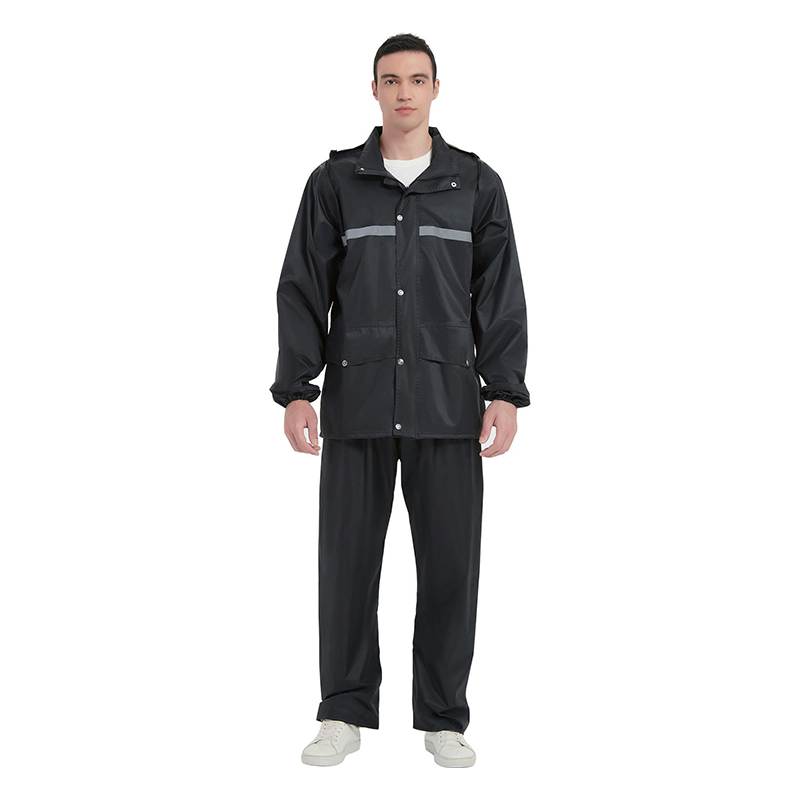
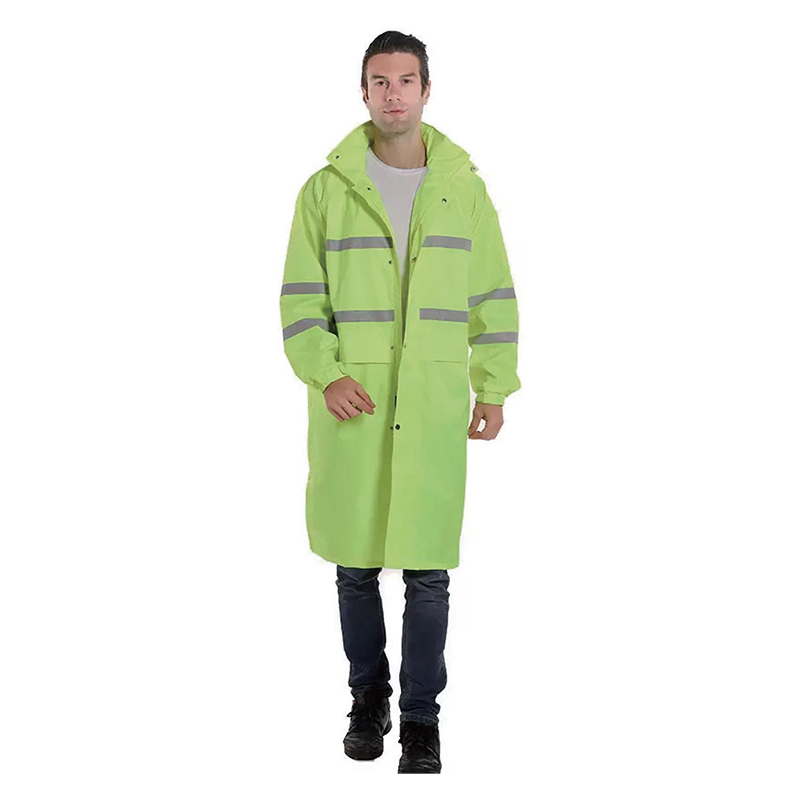
The right raincoat size comes down to three measurements: chest, sleeve length, and torso length — and matching those numbers to a brand's size chart rather than guessing based on your usual T-shirt size. Raincoats are cut differently than everyday jackets because they need extra room for layering underneath and a longer hem to keep rain off your lower body, so a size that fits a casual jacket often runs tight or short as an adult raincoat.
Below, we walk through exactly how to measure yourself, how to read a sizing chart correctly, and the fit checks that confirm you've picked the right size before you're standing in the rain finding out the hard way.
Content
Why Raincoat Sizing Differs From Regular Jackets
Raincoats are designed with 2-4 inches of extra chest room compared to a standard jacket in the same labeled size, because most people wear them over a sweater, fleece, or another jacket during cold or windy rain. A raincoat cut to fit snugly over a bare T-shirt will feel restrictive the moment you add a mid-layer underneath.
Sleeve and torso length also tend to run longer on raincoats than on casual jackets. The extra length isn't a style choice — it's functional, since a short hem or sleeve lets water run down onto your waistband or wrists, defeating the purpose of the coat.
How to Measure Yourself Correctly
Use a soft fabric measuring tape, not a rigid one, and measure over a light shirt rather than bare skin for the most accurate real-world fit. Keep the tape snug but not tight — you should be able to slide one finger underneath it.
Chest Measurement
Wrap the tape around the fullest part of your chest, typically at armpit level, keeping it level across your back. This is the single most important number for raincoat sizing, since most size charts are built around chest circumference first.
Sleeve Length
Measure from the center back of your neck, across your shoulder, and down to your wrist bone with your arm slightly bent. Add half an inch to this number if you plan to regularly wear the raincoat over a bulky sweater or fleece.
Torso Length
Measure from the base of your neck straight down your back to where you want the raincoat to end — typically hip level or mid-thigh for full rain coverage. This number matters more for taller or shorter-than-average body types, where standard S/M/L sizing can miss the mark even if chest size is correct.
Standard Adult Raincoat Size Chart
While sizing varies slightly by brand, most adult raincoats follow a fairly consistent range across the industry. Use the chart below as a general starting point, then check it against the specific brand's own measurements before buying.
| Size | Chest (inches) | Sleeve Length (inches) |
|---|---|---|
| Small | 35-37 | 32-33 |
| Medium | 38-40 | 33-34 |
| Large | 41-43 | 34-35 |
| X-Large | 44-46 | 35-36 |
| XX-Large | 47-50 | 36-37 |
If your measurement falls between two sizes, size up rather than down. A slightly loose raincoat still functions well and allows for layering, while a tight one restricts movement and can pull open at the zipper or buttons in wind.
Accounting for Layering
How you plan to wear the raincoat changes what "correct" sizing looks like. A raincoat worn as a standalone layer over a T-shirt needs less room than one worn over a fleece or insulated jacket in colder, wetter conditions.
- Light layering (T-shirt only): true-to-size fit based on your exact chest measurement
- Medium layering (light sweater): size up if your measurement is at the top of a size range
- Heavy layering (fleece or insulated jacket): add 2-3 inches to your chest measurement before checking the size chart
If you regularly hike or commute in cold, rainy climates, it's often worth buying a raincoat one size larger than your standalone fit, since it's easier to layer up in winter than to squeeze into a too-small coat.
Fit Checks Before You Buy
Once you've picked a size based on measurements, a few practical fit checks confirm whether it will actually perform well in real rain and wind, not just look right in a mirror.
Range of Motion Test
Raise both arms fully overhead and reach forward as if opening a car door. The hem shouldn't ride up above your waistband, and the shoulders shouldn't feel restricted — if either happens, size up.
Zipper and Closure Check
The zipper or button closure should sit flat against your body without pulling or gapping at the chest. A closure under visible tension is the clearest sign a raincoat is too small, even if the length and sleeves feel fine.
Hood and Coverage Check
With the hood up, turn your head side to side. It should move with you rather than blocking your peripheral vision, and it shouldn't slide backward off your head in wind. Hem length should reach at least to your hip bone for adequate lower-body coverage during a downpour.
Common Sizing Mistakes to Avoid
Most raincoat returns happen because of a handful of avoidable sizing errors rather than genuine quality problems with the coat itself.
- Relying on T-shirt or dress shirt size instead of actual chest measurement
- Ignoring sleeve length, which causes wrists to get wet even when the chest fits well
- Not accounting for layering, resulting in a coat that's too tight once winter clothing goes on underneath
- Assuming sizing is identical across brands — a Medium in one brand can measure like a Small or Large in another
- Buying based on height alone without checking torso length separately
When to Size Up or Down
Beyond the standard chart, a few personal factors should nudge your decision in one direction or the other.
| Situation | Recommendation |
|---|---|
| Wearing over a fleece or sweater regularly | Size up |
| Measurement falls exactly on chart boundary | Size up |
| Using only as a light standalone layer | True to size |
| Taller than average with a long torso | Check torso length chart separately from chest size |
Final Takeaway
Choosing the right adult raincoat size comes down to measuring your chest, sleeve length, and torso length accurately, checking those numbers against the specific brand's size chart, and accounting for how you plan to layer underneath. When measurements fall between sizes, sizing up almost always produces a better real-world result than sizing down, since a slightly roomier raincoat still performs well while a tight one restricts movement and lets water in at the seams. A few minutes spent measuring correctly can be the difference between a raincoat you reach for all season and one that ends up back in a return box.