English
 Español
Too tight, and you risk seam stress and restricted movement. Too loose, and you invite drag, bunching, and a higher chance of tripping. A correctly fitted pair of waders feels snug without binding—allowing a thin base layer underneath without sagging anywhere. The goal is mobility across the full range of motion, from a deep crouch to a long stride, while keeping water out and warmth in. Here is exactly what to check on your own body.
Content
Start with the Boot: The Foundation of Your Fit
Boot fit is the most common point of confusion. For stocking‑foot waders, the bootie inside should be snug around your foot but not painful. You will wear neoprene socks over the bootie; combine that with a wading boot that is one full size larger than your normal street shoe. If you normally wear a size 10, try size 11 wading boots. Boot‑foot waders, where the boot is permanently attached, work best when your toes barely touch the front of the boot while standing, with no heel lift when walking. A proper boot fit prevents blisters and keeps you stable on slippery riverbeds or muddy banks.
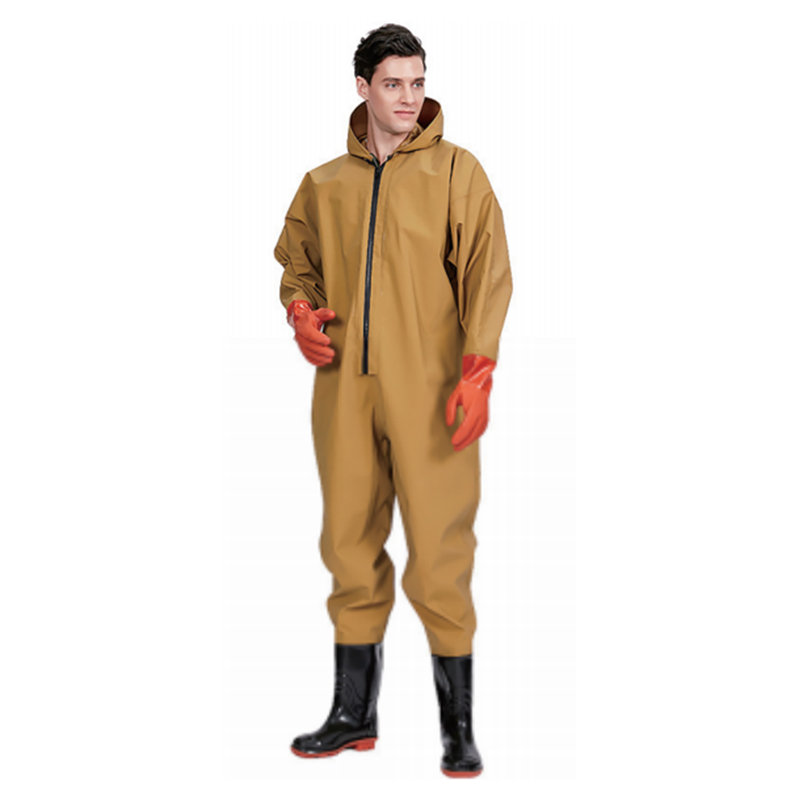 Full Body Waterproof Chest Waders with Adjustable StrapsTo check fit during movement, these PVC-coated waders offer a snug bootie and adjustable straps for personalized comfort, ensuring you stay dry and unrestricted while bending or crouching.View Product →
Leg and Knee: Where Mobility Is Tested
While standing straight, the fabric over your knee should feel smooth, not taut. Squat down and touch the ground. If the wader pulls tight behind your knee or at the crotch, the inseam is too short or the calf circumference is too narrow. A proper fit lets you bend without resistance. For neoprene waders, which are less flexible, a slightly looser cut is expected because the material itself limits stretch. Breathable fabric waders, on the other hand, can be closer to the leg as long as the knees are not restricted.
Torso and Chest: Room to Layer, Not to Swim
The chest area should allow you to tuck in layers—a fleece or a light jacket—without compressing them. When you put on the waders and fasten the chest belt, you should be able to slide a flat hand between your chest and the fabric. If you cannot, the waders are too narrow; if you can fit a full fist, they are too wide. Shoulder straps should sit without digging in, adjusted so the waist belt lands at your natural waistline. For taller individuals, a longer torso may require a tall size option to avoid constant downward pull on the straps. Remember that an overly tight chest not only restricts breathing during physical activity but also puts extra stress on the seams, especially around the armholes and shoulder attachment points.
The Knee Test for Overall Length
A quick field check: while wearing your waders, kneel on one knee. The fabric behind the bent knee should not strain, and the crotch should not drop lower than the top of your inner thigh. If the crotch sags, the waders are too long or too wide through the torso.
Fit Varies by Material and Intended Use
The ideal fit changes depending on whether you are in breathable, neoprene, or PVC waders. Breathable models—like those made with three‑layer fabric—are designed for active, aerobic use; they fit closer to the body to reduce water drag and aid moisture vapor transfer. Neoprene waders, used in cold water or for float tubing, should fit slightly looser because the material insulates well but restricts movement, and you may need bulkier base layers underneath. PVC and nylon waders, often worn for industrial or agricultural work, tend to follow a relaxed, no‑frills cut that emphasizes freedom of movement over streamlined performance—adequate for walking and standing, but not for crouching or climbing.
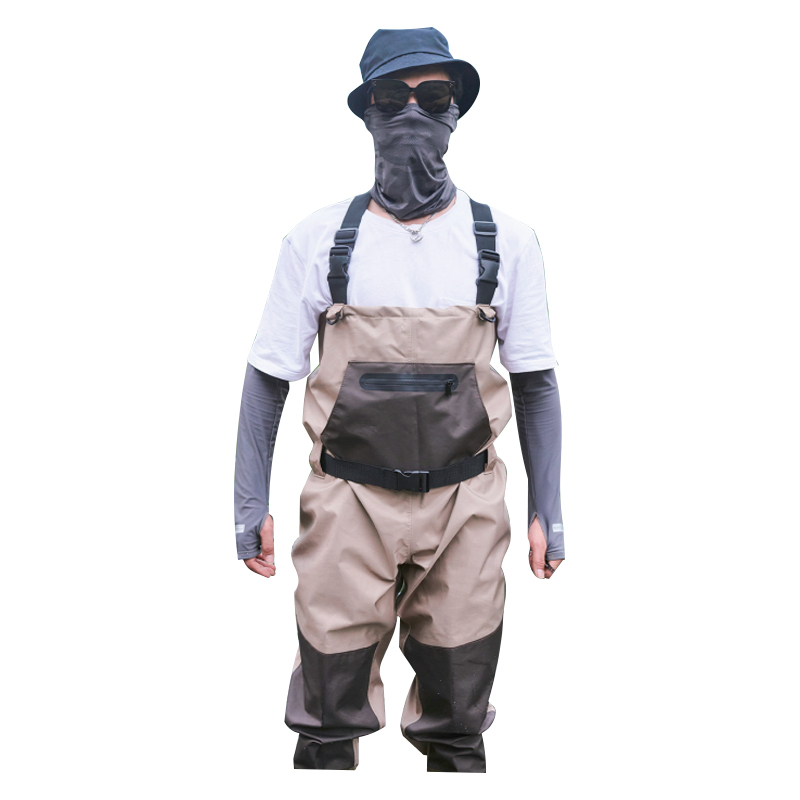 Three Layer Breathable High Chest Fishing PantsDesigned for active fishing, these breathable pants fit closer to reduce drag and wick moisture, making them ideal for the demanding postures described in the fitting guide.View Product →
 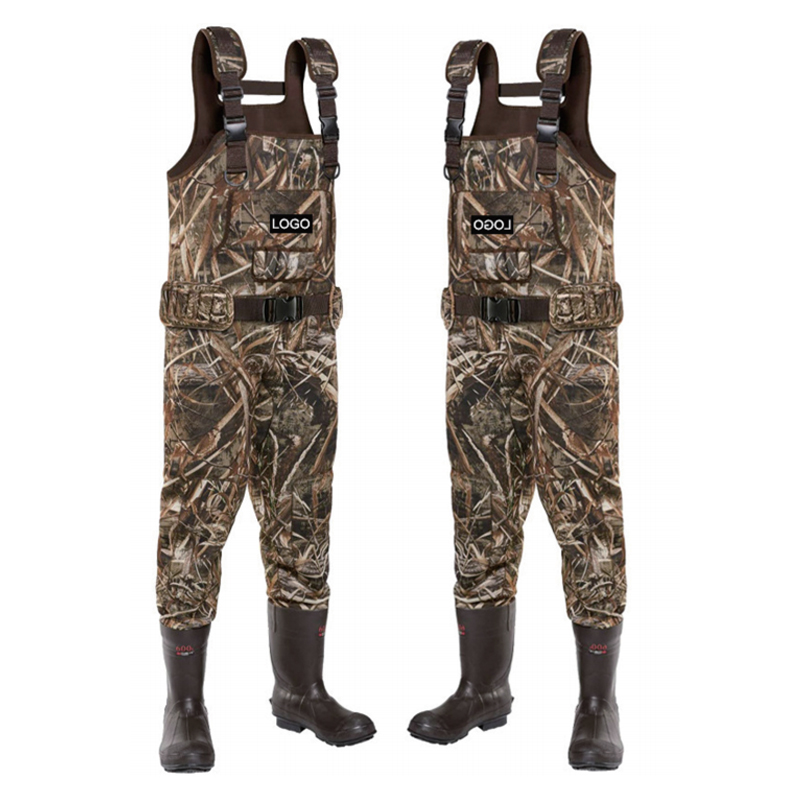 4.5mm Camouflage Neoprene Wader for Cold WaterFor cold water or float tubing, this neoprene wader provides insulation with a looser cut that accommodates bulkier layers and natural movement, matching the advice on fit adjustments.View Product →
Common Sizing Mistakes and How to Avoid Them
- Ignoring the inseam measurement. Many people focus only on chest size and shoe size, but an inseam that is too short will cause uncomfortable pulling at the crotch and behind the knees.
- Assuming one thickness fits all. A neoprene wader intended for icy waters requires more room than a breathable wader used in summer. Always test the fit with the socks and insulating layers you plan to wear on the water.
- Over‑tightening the belt or shoulder straps. A cinched belt compresses your torso, restricts breathing, and can cause chafing. The belt should be snug enough to keep water from entering if you fall, but not so tight that it leaves deep marks after an hour.
- Choosing fashion over function. A wader that looks trim in the store might feel restrictive after twenty minutes of wading. Give priority to a full range of motion.
To verify your measurements, take your chest circumference at its fullest point (usually just under the armpits), your inseam from the crotch to the floor, and your waist at the navel. Compare these numbers with the size chart of the specific model, as different manufacturers have slightly different proportions. For more details on how specific cut affects performance, see this comparison of neoprene versus breathable waders.
Putting It All Together: A Simple Fit Checklist
| Fit Zone | Desired Sensation | Red Flags |
|---|---|---|
| Boot (boot‑foot) | Toes barely touch front; no heel lift | Heel slipping, toes pressed, side pinching |
| Boot (stocking‑foot) | Snug bootie; wading boot one size up | Bootie crumpling, foot sliding inside boot |
| Leg / Calf | No tightness behind knee when squatting | Fabric pulling taut, restricted bending |
| Crotch / Inseam | Crotch at mid‑thigh; no sagging | Drooping crotch, constant need to hike up |
| Chest / Torso | Flat hand fits between chest and fabric | Fist fits easily or hand cannot fit |
| Shoulder straps | Rest on shoulders without digging in | Strap ridges on skin, constant readjusting |
Once you have checked all zones, spend five minutes moving in the waders—walking up a slight incline, kneeling, bending to pick up an object. If any area feels restricted or generates uncomfortable pressure points, the size or cut is off. A proper fit should be almost forgettable: you should focus on the fish, the field, or the job, not on your gear.
Final Takeaway
Waders that fit well extend their lifespan by distributing stress evenly across the seams and fabrics. They also keep you safer—a wader that is too loose can fill with water and become a drowning hazard, while one that is too tight can overheat you and limit your ability to move quickly. Therefore, invest the time to measure twice, try on with intended layers, and do the knee test. Your body will thank you after a long day on the water. For further reading on caring for your waders, refer to this maintenance guide for nylon fishing waders.