English
 Español
Bottom line: EVA raincoats are the better choice for most adults. They are lighter, more flexible, free of harmful plasticizers, and increasingly preferred by outdoor enthusiasts and eco-conscious consumers. PVC raincoats, while cheaper upfront and more abrasion-resistant, carry environmental and health concerns that make EVA the smarter long-term investment. This article breaks down the key differences so you can choose with confidence.
Content
- 1 What Are EVA and PVC Raincoats Made Of?
- 2 EVA vs PVC Raincoat: Head-to-Head Comparison
- 3 Waterproofing Performance: Are They Equal?
- 4 Comfort and Wearability for Adults
- 5 Health and Safety: Why EVA Wins on Chemistry
- 6 Environmental Impact: A Greener Option Exists
- 7 When a PVC Raincoat Still Makes Sense
- 8 What to Look for When Buying an Adult EVA Raincoat
- 9 Care and Longevity: How to Make Your Raincoat Last
What Are EVA and PVC Raincoats Made Of?
Understanding the base materials is the first step in comparing these two types of adult raincoats.
EVA (Ethylene-Vinyl Acetate)
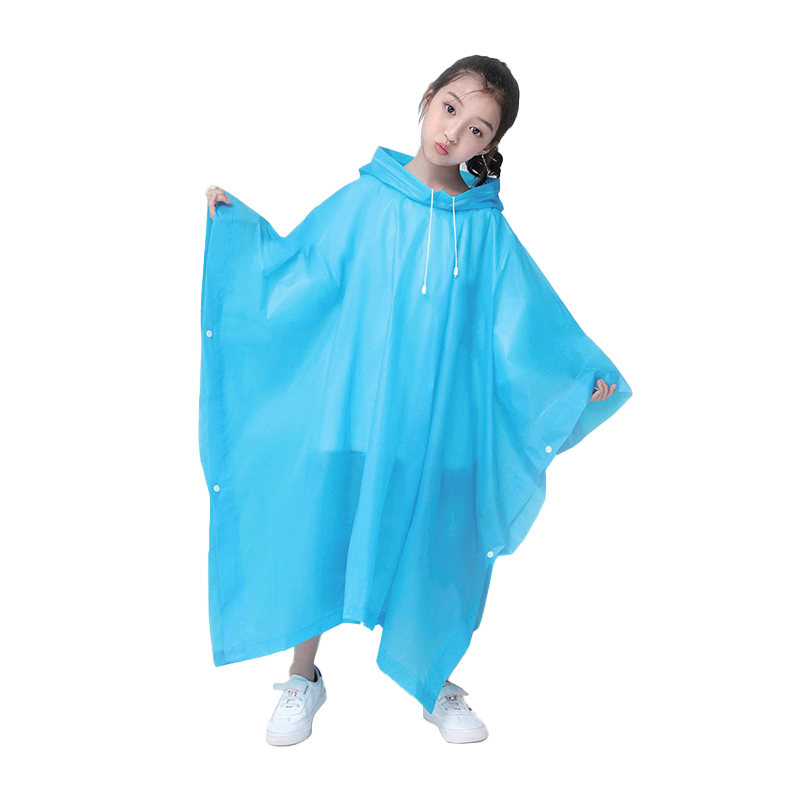
EVA is a copolymer made by combining ethylene and vinyl acetate. It is the same material used in the soles of premium athletic shoes and yoga mats. EVA contains no PVC, chlorine, or phthalate plasticizers, making it a cleaner material from both a health and environmental standpoint. An EVA rain jacket is soft, rubbery, and naturally flexible even in cold weather.
PVC (Polyvinyl Chloride)
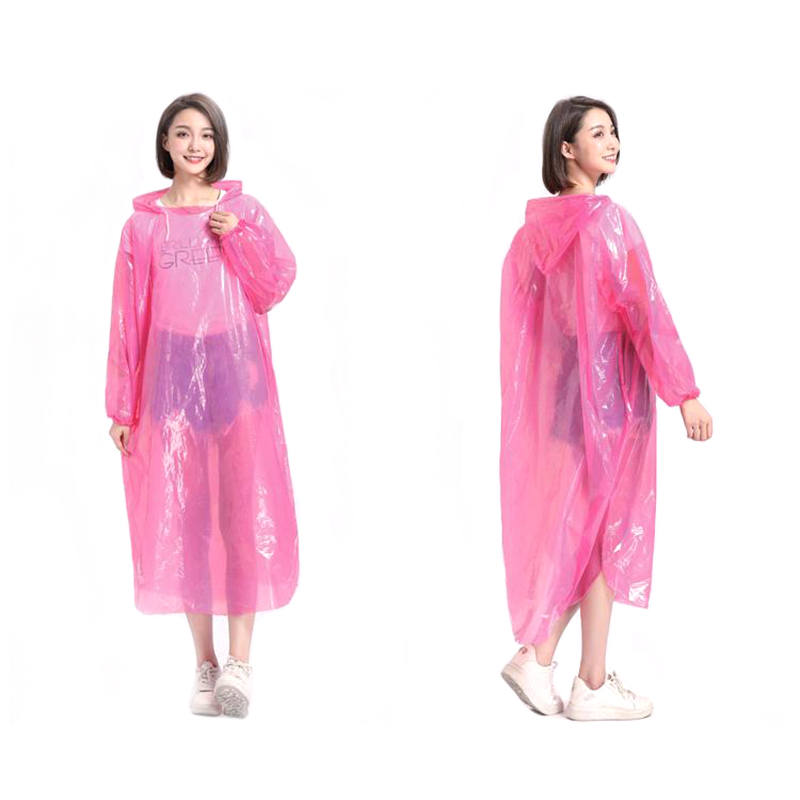
PVC is one of the most widely produced synthetic plastics. For raincoat manufacturing, PVC must be blended with chemical plasticizers (commonly phthalates) to make it flexible and wearable. PVC-based raincoats are very common in budget retail markets and workwear, often sold as industrial slickers or economy rain ponchos. The material is stiffer, heavier, and can emit a noticeable plastic odor, especially when new.
EVA vs PVC Raincoat: Head-to-Head Comparison
The table below summarizes the most important differences between EVA and PVC adult raincoats across the criteria that matter most to buyers.
| Feature | EVA Raincoat | PVC Raincoat |
|---|---|---|
| Weight | Light (avg. 300–500g) | Heavier (avg. 600–1000g) |
| Flexibility | High — stays soft in cold | Moderate — stiffens below 10°C |
| Waterproofing | Excellent | Excellent |
| Odor | Minimal to none | Noticeable plastic smell |
| Chemical Safety | No phthalates or chlorine | May contain phthalate plasticizers |
| Eco Impact | Lower — no chlorine production | Higher — chlorine-based process |
| Abrasion Resistance | Moderate | High |
| Price Range | $20–$80 (retail) | $8–$40 (retail) |
| Best For | Daily use, hiking, travel | Industrial work, short-term use |
Waterproofing Performance: Are They Equal?
Both EVA and PVC are inherently waterproof due to their non-porous plastic structures — neither material absorbs water. In terms of raw water resistance, both materials perform equally well in rain. However, the real-world waterproofing performance depends heavily on seam construction.
- Welded seams (heat-bonded) in EVA jackets eliminate stitching holes, providing leak-free protection even in heavy downpours.
- Taped seams in PVC raincoats add a layer of adhesive over stitching to prevent leakage, but can peel over time.
- Budget PVC ponchos with raw stitched seams will eventually leak at seam points after repeated wear.
For sustained outdoor use — hiking, commuting, or extended rain exposure — an adult EVA raincoat with welded seams is a more reliable long-term waterproofing solution.
Comfort and Wearability for Adults
Comfort is where EVA and PVC diverge most noticeably for everyday adult users.
Weight and Packability
A typical adult EVA rain jacket weighs between 300 and 500 grams, while a comparable PVC model often weighs 600–1,000 grams. For commuters who carry a raincoat in a bag or backpack, this difference matters significantly across a full week of use.
Temperature Performance
EVA remains pliable and soft even at temperatures as low as -20°C, making it suitable for cold-weather rain and snow. PVC, by contrast, can become noticeably stiff and crinkly below 10°C. For users in northern climates or autumn/winter rain, EVA is the clearly superior choice.
Breathability
Neither EVA nor PVC offers meaningful breathability on its own — both are solid plastic membranes. If breathability is a priority (e.g., for hiking or cycling), consider an EVA raincoat with ventilation panels or pit-zip openings, which are more commonly found in EVA designs than in basic PVC slickers.
Health and Safety: Why EVA Wins on Chemistry
This is one of the most important distinctions for consumers who wear raincoats frequently or buy them for daily use.
PVC requires chemical plasticizers to become flexible. The most common plasticizers historically used are phthalates, a class of chemicals linked to endocrine disruption, reproductive health concerns, and developmental issues in children. While many countries now regulate or restrict specific phthalate types (the EU banned DEHP, DBP, and BBP in consumer products), enforcement varies by market and cheaper imports may not comply.
EVA does not require plasticizers. An EVA raincoat is inherently free of phthalates, chlorine, BPA, and lead. Many EVA products carry OEKO-TEX or similar certifications confirming the absence of harmful substances. This makes EVA rain jackets the preferred choice for users concerned about skin contact with chemicals during extended wear.
Environmental Impact: A Greener Option Exists
Neither material is fully biodegradable, but their environmental footprints are different.
- PVC production requires chlorine, a process that generates toxic dioxins and other pollutants as byproducts. Burning or landfilling PVC products releases hydrogen chloride and dioxins into the environment.
- EVA production does not involve chlorine chemistry. It produces fewer toxic byproducts and is considered cleaner to manufacture and dispose of.
- Some manufacturers now offer recycled or bio-based EVA blends, further reducing virgin plastic use. No equivalent recycled PVC option exists at meaningful commercial scale for rainwear.
For sustainability-minded shoppers, an adult EVA raincoat is the more responsible choice, though neither should be treated as a disposable item.
When a PVC Raincoat Still Makes Sense
Despite EVA's overall advantages, there are specific scenarios where PVC remains a practical choice:
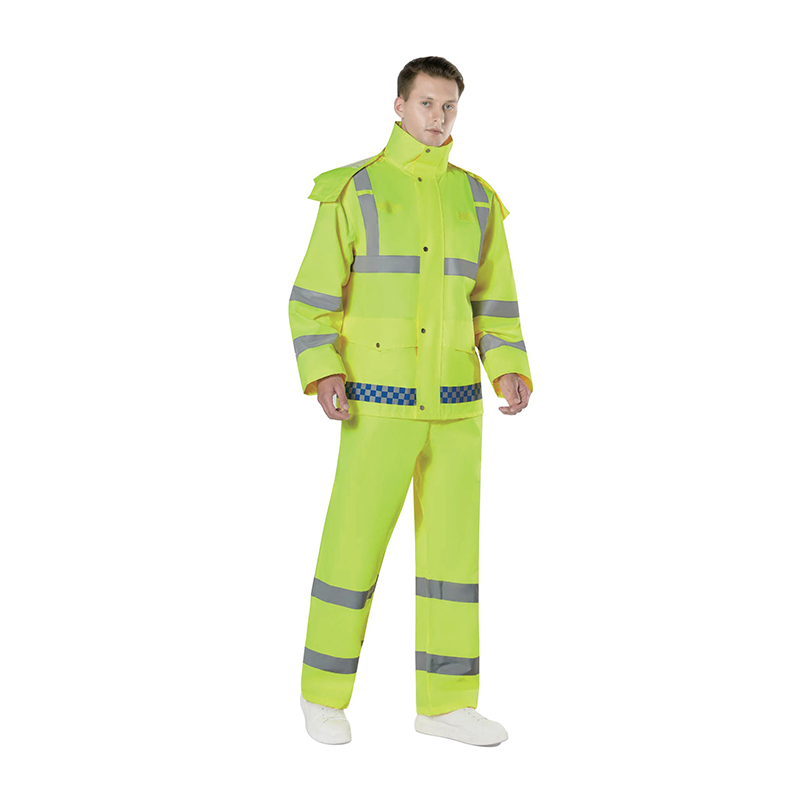
- Industrial and agricultural workwear: PVC's higher abrasion resistance and lower cost make it better suited to environments with chemical splashes, rough handling, or disposable-use scenarios.
- Very tight budget: PVC rain ponchos can be purchased for under $10, making them accessible for one-time or infrequent use (e.g., a music festival).
- High-friction environments: If a raincoat will regularly contact rough surfaces (scaffolding, thorny brush, heavy equipment), PVC's tougher surface resists tearing better than softer EVA.
For any scenario involving daily adult wear, prolonged skin contact, or cold-weather use, the trade-offs of PVC outweigh its cost advantage.
What to Look for When Buying an Adult EVA Raincoat
Not all EVA raincoats are created equal. Use this checklist when evaluating options:
- Seam type: Look for heat-welded or fully taped seams for maximum waterproofing. Avoid stitched-only seams.
- Thickness: EVA raincoat thickness is typically measured in millimeters. 0.15–0.20mm is lightweight for mild rain; 0.25–0.35mm offers better protection in heavy downpours.
- Certifications: OEKO-TEX Standard 100 or REACH compliance confirms the absence of harmful chemicals.
- Hood design: A structured, adjustable hood with a brim significantly improves rain protection for the face without an umbrella.
- Pockets: Waterproof zipper pockets or internal mesh pockets are practical features often missing from budget raincoats.
- Packability: A good EVA rain jacket should compress into its own pocket or a small stuff sack for bag-friendly portability.
Care and Longevity: How to Make Your Raincoat Last
Proper care extends the life of both EVA and PVC raincoats significantly:
- Do not machine wash EVA raincoats — heat and agitation can warp the material. Wipe down with a damp cloth and mild soap.
- Avoid folding EVA tightly along the same crease repeatedly; roll loosely for storage to prevent cracking at fold lines.
- Store away from direct sunlight and heat — UV exposure degrades both EVA and PVC over time, causing yellowing and brittleness.
- PVC can be wiped clean of mud and chemicals easily, which is one reason it remains popular in industrial settings.
With proper care, a quality adult EVA raincoat can last 3–7 years under regular use, making its higher upfront cost a reasonable long-term investment compared to replacing cheaper PVC alternatives annually.